Even on private property, corn may still be illegal if waters connect to public waterways or if local regulations prohibit it. Always verify.
To stay legal and protect aquatic ecosystems, it’s smarter to use approved bait methods. Check your state fishing license & regulation page before your next trip and fish responsibly.
Corn lacks the enzymes fish need to break down complex carbohydrates, which can cause blockages or internal distress, especially in cold-water species.
Can corn be used in private ponds?
Even on private property, corn may still be illegal if waters connect to public waterways or if local regulations prohibit it. Always verify.
To stay legal and protect aquatic ecosystems, it’s smarter to use approved bait methods. Check your state fishing license & regulation page before your next trip and fish responsibly.
No—it depends on state or local laws. Some jurisdictions allow it under certain conditions; others ban it outright. Always check your state regulations.
Why can’t fish digest corn?
Corn lacks the enzymes fish need to break down complex carbohydrates, which can cause blockages or internal distress, especially in cold-water species.
Can corn be used in private ponds?
Even on private property, corn may still be illegal if waters connect to public waterways or if local regulations prohibit it. Always verify.
To stay legal and protect aquatic ecosystems, it’s smarter to use approved bait methods. Check your state fishing license & regulation page before your next trip and fish responsibly.
Laws differ widely from state to state. In some places, corn is fully banned as bait in both public and private waters; in others, it may be restricted to specific sites (such as stocked ponds) or seasons. Always check with your **state wildlife agency** for up-to-date bait rules.
For example, if you fish in Ohio, you can check the **ODNR regulations** page. In Texas, the TPWD may list acceptable bait types. Use our state license pages to find your state’s rules and licensing info:
- Ohio Fishing License & Regulations
- Texas Fishing License & Rules
- Florida Fishing License & Regulations
What To Do Instead: Safe & Legal Bait Options
- Live bait (worms, insects, minnows) — typically allowed unless otherwise regulated.
- Commercial corn-based bait mixes designed for fish consumption, if allowed by your state.
- Artificial lures, flies, or soft plastics.
- Natural baits (grubs, shrimp, insects) tailored to local species.
Frequently Asked Questions
Is fishing with corn illegal everywhere?
No—it depends on state or local laws. Some jurisdictions allow it under certain conditions; others ban it outright. Always check your state regulations.
Why can’t fish digest corn?
Corn lacks the enzymes fish need to break down complex carbohydrates, which can cause blockages or internal distress, especially in cold-water species.
Can corn be used in private ponds?
Even on private property, corn may still be illegal if waters connect to public waterways or if local regulations prohibit it. Always verify.
To stay legal and protect aquatic ecosystems, it’s smarter to use approved bait methods. Check your state fishing license & regulation page before your next trip and fish responsibly.
Laws differ widely from state to state. In some places, corn is fully banned as bait in both public and private waters; in others, it may be restricted to specific sites (such as stocked ponds) or seasons. Always check with your **state wildlife agency** for up-to-date bait rules.
For example, if you fish in Ohio, you can check the **ODNR regulations** page. In Texas, the TPWD may list acceptable bait types. Use our state license pages to find your state’s rules and licensing info:
- Ohio Fishing License & Regulations
- Texas Fishing License & Rules
- Florida Fishing License & Regulations
What To Do Instead: Safe & Legal Bait Options
- Live bait (worms, insects, minnows) — typically allowed unless otherwise regulated.
- Commercial corn-based bait mixes designed for fish consumption, if allowed by your state.
- Artificial lures, flies, or soft plastics.
- Natural baits (grubs, shrimp, insects) tailored to local species.
Frequently Asked Questions
Is fishing with corn illegal everywhere?
No—it depends on state or local laws. Some jurisdictions allow it under certain conditions; others ban it outright. Always check your state regulations.
Why can’t fish digest corn?
Corn lacks the enzymes fish need to break down complex carbohydrates, which can cause blockages or internal distress, especially in cold-water species.
Can corn be used in private ponds?
Even on private property, corn may still be illegal if waters connect to public waterways or if local regulations prohibit it. Always verify.
To stay legal and protect aquatic ecosystems, it’s smarter to use approved bait methods. Check your state fishing license & regulation page before your next trip and fish responsibly.
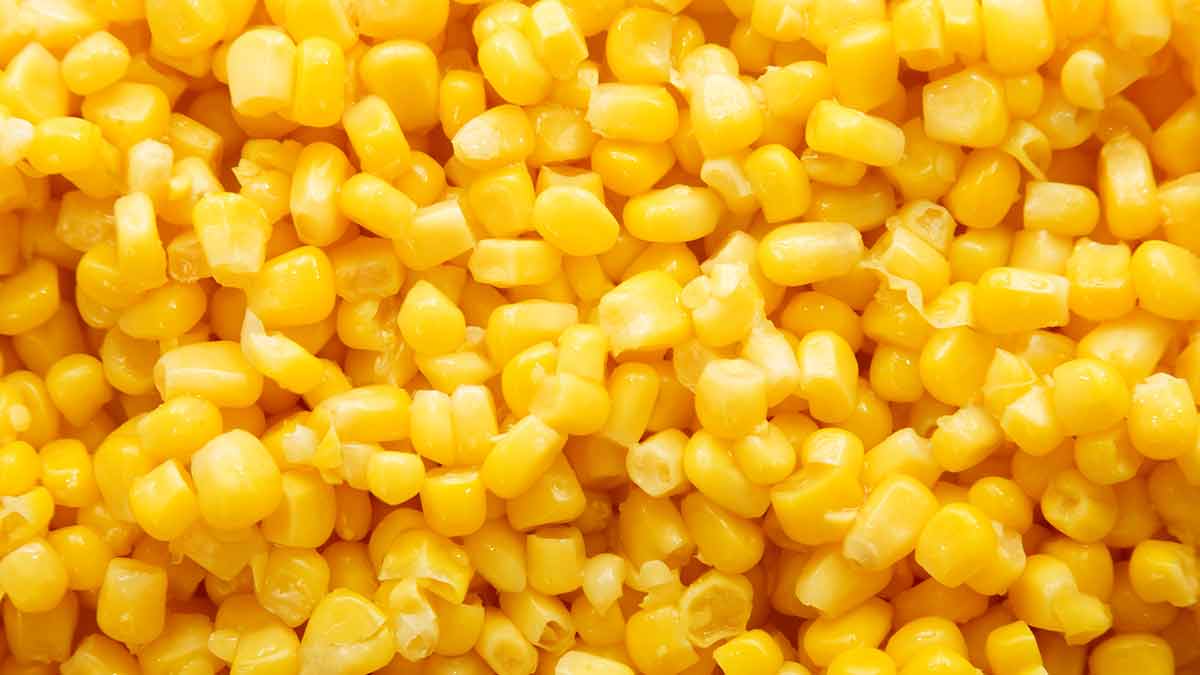
“Fishing with corn” refers to using kernels of corn—canned, soaked, or fresh—as bait to attract fish. It’s often used because it’s cheap, easy to carry, and seems more natural than artificial lures. However, because corn isn’t native to aquatic diets and can carry risks, many fishing regulations ban it or restrict its use.
Risks & Impacts of Using Corn as Bait
- Digestive harm to fish: Corn is hard to digest for many species and can cause internal blockages or injury.
- Ecosystem disruption: Uneaten corn sinks, decomposes, and alters oxygen levels, harming macroinvertebrates, algae balance, and bottom-dwelling species.
- Artificial feeding behavior: Fish may begin to expect corn, ignoring natural food sources and upsetting natural feeding cycles.
- Increased overfishing: Corn can be unusually effective, enabling anglers to catch more fish than natural baits would allow.
- Attracting unwanted wildlife: Waterfowl or rodents may be drawn to corn, sometimes ingesting bait and suffering health consequences.
- Violation of local laws: Many states explicitly forbid corn as bait in certain waters or statewide. Penalties vary by jurisdiction.
Regulations by State
Laws differ widely from state to state. In some places, corn is fully banned as bait in both public and private waters; in others, it may be restricted to specific sites (such as stocked ponds) or seasons. Always check with your **state wildlife agency** for up-to-date bait rules.
For example, if you fish in Ohio, you can check the **ODNR regulations** page. In Texas, the TPWD may list acceptable bait types. Use our state license pages to find your state’s rules and licensing info:
- Ohio Fishing License & Regulations
- Texas Fishing License & Rules
- Florida Fishing License & Regulations
What To Do Instead: Safe & Legal Bait Options
- Live bait (worms, insects, minnows) — typically allowed unless otherwise regulated.
- Commercial corn-based bait mixes designed for fish consumption, if allowed by your state.
- Artificial lures, flies, or soft plastics.
- Natural baits (grubs, shrimp, insects) tailored to local species.
Frequently Asked Questions
Is fishing with corn illegal everywhere?
No—it depends on state or local laws. Some jurisdictions allow it under certain conditions; others ban it outright. Always check your state regulations.
Why can’t fish digest corn?
Corn lacks the enzymes fish need to break down complex carbohydrates, which can cause blockages or internal distress, especially in cold-water species.
Can corn be used in private ponds?
Even on private property, corn may still be illegal if waters connect to public waterways or if local regulations prohibit it. Always verify.
To stay legal and protect aquatic ecosystems, it’s smarter to use approved bait methods. Check your state fishing license & regulation page before your next trip and fish responsibly.
Using corn as fishing bait might sound harmless or clever, but in many states it’s illegal—and for good reason. From harm to fish health to ecosystem disruption, here’s what every angler should know.
What Is “Fishing with Corn” and Why It’s Used
“Fishing with corn” refers to using kernels of corn—canned, soaked, or fresh—as bait to attract fish. It’s often used because it’s cheap, easy to carry, and seems more natural than artificial lures. However, because corn isn’t native to aquatic diets and can carry risks, many fishing regulations ban it or restrict its use.
Risks & Impacts of Using Corn as Bait
- Digestive harm to fish: Corn is hard to digest for many species and can cause internal blockages or injury.
- Ecosystem disruption: Uneaten corn sinks, decomposes, and alters oxygen levels, harming macroinvertebrates, algae balance, and bottom-dwelling species.
- Artificial feeding behavior: Fish may begin to expect corn, ignoring natural food sources and upsetting natural feeding cycles.
- Increased overfishing: Corn can be unusually effective, enabling anglers to catch more fish than natural baits would allow.
- Attracting unwanted wildlife: Waterfowl or rodents may be drawn to corn, sometimes ingesting bait and suffering health consequences.
- Violation of local laws: Many states explicitly forbid corn as bait in certain waters or statewide. Penalties vary by jurisdiction.
Regulations by State
Laws differ widely from state to state. In some places, corn is fully banned as bait in both public and private waters; in others, it may be restricted to specific sites (such as stocked ponds) or seasons. Always check with your **state wildlife agency** for up-to-date bait rules.
For example, if you fish in Ohio, you can check the **ODNR regulations** page. In Texas, the TPWD may list acceptable bait types. Use our state license pages to find your state’s rules and licensing info:
- Ohio Fishing License & Regulations
- Texas Fishing License & Rules
- Florida Fishing License & Regulations
What To Do Instead: Safe & Legal Bait Options
- Live bait (worms, insects, minnows) — typically allowed unless otherwise regulated.
- Commercial corn-based bait mixes designed for fish consumption, if allowed by your state.
- Artificial lures, flies, or soft plastics.
- Natural baits (grubs, shrimp, insects) tailored to local species.
Frequently Asked Questions
Is fishing with corn illegal everywhere?
No—it depends on state or local laws. Some jurisdictions allow it under certain conditions; others ban it outright. Always check your state regulations.
Why can’t fish digest corn?
Corn lacks the enzymes fish need to break down complex carbohydrates, which can cause blockages or internal distress, especially in cold-water species.
Can corn be used in private ponds?
Even on private property, corn may still be illegal if waters connect to public waterways or if local regulations prohibit it. Always verify.
To stay legal and protect aquatic ecosystems, it’s smarter to use approved bait methods. Check your state fishing license & regulation page before your next trip and fish responsibly.
Corn lacks the enzymes fish need to break down complex carbohydrates, which can cause blockages or internal distress, especially in cold-water species.
Can corn be used in private ponds?
Even on private property, corn may still be illegal if waters connect to public waterways or if local regulations prohibit it. Always verify.
To stay legal and protect aquatic ecosystems, it’s smarter to use approved bait methods. Check your state fishing license & regulation page before your next trip and fish responsibly.
Using corn as fishing bait might sound harmless or clever, but in many states it’s illegal—and for good reason. From harm to fish health to ecosystem disruption, here’s what every angler should know.
What Is “Fishing with Corn” and Why It’s Used
“Fishing with corn” refers to using kernels of corn—canned, soaked, or fresh—as bait to attract fish. It’s often used because it’s cheap, easy to carry, and seems more natural than artificial lures. However, because corn isn’t native to aquatic diets and can carry risks, many fishing regulations ban it or restrict its use.
Risks & Impacts of Using Corn as Bait
- Digestive harm to fish: Corn is hard to digest for many species and can cause internal blockages or injury.
- Ecosystem disruption: Uneaten corn sinks, decomposes, and alters oxygen levels, harming macroinvertebrates, algae balance, and bottom-dwelling species.
- Artificial feeding behavior: Fish may begin to expect corn, ignoring natural food sources and upsetting natural feeding cycles.
- Increased overfishing: Corn can be unusually effective, enabling anglers to catch more fish than natural baits would allow.
- Attracting unwanted wildlife: Waterfowl or rodents may be drawn to corn, sometimes ingesting bait and suffering health consequences.
- Violation of local laws: Many states explicitly forbid corn as bait in certain waters or statewide. Penalties vary by jurisdiction.
Regulations by State
Laws differ widely from state to state. In some places, corn is fully banned as bait in both public and private waters; in others, it may be restricted to specific sites (such as stocked ponds) or seasons. Always check with your **state wildlife agency** for up-to-date bait rules.
For example, if you fish in Ohio, you can check the **ODNR regulations** page. In Texas, the TPWD may list acceptable bait types. Use our state license pages to find your state’s rules and licensing info:
- Ohio Fishing License & Regulations
- Texas Fishing License & Rules
- Florida Fishing License & Regulations
What To Do Instead: Safe & Legal Bait Options
- Live bait (worms, insects, minnows) — typically allowed unless otherwise regulated.
- Commercial corn-based bait mixes designed for fish consumption, if allowed by your state.
- Artificial lures, flies, or soft plastics.
- Natural baits (grubs, shrimp, insects) tailored to local species.
Frequently Asked Questions
Is fishing with corn illegal everywhere?
No—it depends on state or local laws. Some jurisdictions allow it under certain conditions; others ban it outright. Always check your state regulations.
Why can’t fish digest corn?
Corn lacks the enzymes fish need to break down complex carbohydrates, which can cause blockages or internal distress, especially in cold-water species.
Can corn be used in private ponds?
Even on private property, corn may still be illegal if waters connect to public waterways or if local regulations prohibit it. Always verify.
To stay legal and protect aquatic ecosystems, it’s smarter to use approved bait methods. Check your state fishing license & regulation page before your next trip and fish responsibly.
No—it depends on state or local laws. Some jurisdictions allow it under certain conditions; others ban it outright. Always check your state regulations.
Why can’t fish digest corn?
Corn lacks the enzymes fish need to break down complex carbohydrates, which can cause blockages or internal distress, especially in cold-water species.
Can corn be used in private ponds?
Even on private property, corn may still be illegal if waters connect to public waterways or if local regulations prohibit it. Always verify.
To stay legal and protect aquatic ecosystems, it’s smarter to use approved bait methods. Check your state fishing license & regulation page before your next trip and fish responsibly.
Using corn as fishing bait might sound harmless or clever, but in many states it’s illegal—and for good reason. From harm to fish health to ecosystem disruption, here’s what every angler should know.
What Is “Fishing with Corn” and Why It’s Used
“Fishing with corn” refers to using kernels of corn—canned, soaked, or fresh—as bait to attract fish. It’s often used because it’s cheap, easy to carry, and seems more natural than artificial lures. However, because corn isn’t native to aquatic diets and can carry risks, many fishing regulations ban it or restrict its use.
Risks & Impacts of Using Corn as Bait
- Digestive harm to fish: Corn is hard to digest for many species and can cause internal blockages or injury.
- Ecosystem disruption: Uneaten corn sinks, decomposes, and alters oxygen levels, harming macroinvertebrates, algae balance, and bottom-dwelling species.
- Artificial feeding behavior: Fish may begin to expect corn, ignoring natural food sources and upsetting natural feeding cycles.
- Increased overfishing: Corn can be unusually effective, enabling anglers to catch more fish than natural baits would allow.
- Attracting unwanted wildlife: Waterfowl or rodents may be drawn to corn, sometimes ingesting bait and suffering health consequences.
- Violation of local laws: Many states explicitly forbid corn as bait in certain waters or statewide. Penalties vary by jurisdiction.
Regulations by State
Laws differ widely from state to state. In some places, corn is fully banned as bait in both public and private waters; in others, it may be restricted to specific sites (such as stocked ponds) or seasons. Always check with your **state wildlife agency** for up-to-date bait rules.
For example, if you fish in Ohio, you can check the **ODNR regulations** page. In Texas, the TPWD may list acceptable bait types. Use our state license pages to find your state’s rules and licensing info:
- Ohio Fishing License & Regulations
- Texas Fishing License & Rules
- Florida Fishing License & Regulations
What To Do Instead: Safe & Legal Bait Options
- Live bait (worms, insects, minnows) — typically allowed unless otherwise regulated.
- Commercial corn-based bait mixes designed for fish consumption, if allowed by your state.
- Artificial lures, flies, or soft plastics.
- Natural baits (grubs, shrimp, insects) tailored to local species.
Frequently Asked Questions
Is fishing with corn illegal everywhere?
No—it depends on state or local laws. Some jurisdictions allow it under certain conditions; others ban it outright. Always check your state regulations.
Why can’t fish digest corn?
Corn lacks the enzymes fish need to break down complex carbohydrates, which can cause blockages or internal distress, especially in cold-water species.
Can corn be used in private ponds?
Even on private property, corn may still be illegal if waters connect to public waterways or if local regulations prohibit it. Always verify.
To stay legal and protect aquatic ecosystems, it’s smarter to use approved bait methods. Check your state fishing license & regulation page before your next trip and fish responsibly.
Laws differ widely from state to state. In some places, corn is fully banned as bait in both public and private waters; in others, it may be restricted to specific sites (such as stocked ponds) or seasons. Always check with your **state wildlife agency** for up-to-date bait rules.
For example, if you fish in Ohio, you can check the **ODNR regulations** page. In Texas, the TPWD may list acceptable bait types. Use our state license pages to find your state’s rules and licensing info:
- Ohio Fishing License & Regulations
- Texas Fishing License & Rules
- Florida Fishing License & Regulations
What To Do Instead: Safe & Legal Bait Options
- Live bait (worms, insects, minnows) — typically allowed unless otherwise regulated.
- Commercial corn-based bait mixes designed for fish consumption, if allowed by your state.
- Artificial lures, flies, or soft plastics.
- Natural baits (grubs, shrimp, insects) tailored to local species.
Frequently Asked Questions
Is fishing with corn illegal everywhere?
No—it depends on state or local laws. Some jurisdictions allow it under certain conditions; others ban it outright. Always check your state regulations.
Why can’t fish digest corn?
Corn lacks the enzymes fish need to break down complex carbohydrates, which can cause blockages or internal distress, especially in cold-water species.
Can corn be used in private ponds?
Even on private property, corn may still be illegal if waters connect to public waterways or if local regulations prohibit it. Always verify.
To stay legal and protect aquatic ecosystems, it’s smarter to use approved bait methods. Check your state fishing license & regulation page before your next trip and fish responsibly.
Using corn as fishing bait might sound harmless or clever, but in many states it’s illegal—and for good reason. From harm to fish health to ecosystem disruption, here’s what every angler should know.
What Is “Fishing with Corn” and Why It’s Used
“Fishing with corn” refers to using kernels of corn—canned, soaked, or fresh—as bait to attract fish. It’s often used because it’s cheap, easy to carry, and seems more natural than artificial lures. However, because corn isn’t native to aquatic diets and can carry risks, many fishing regulations ban it or restrict its use.
Risks & Impacts of Using Corn as Bait
- Digestive harm to fish: Corn is hard to digest for many species and can cause internal blockages or injury.
- Ecosystem disruption: Uneaten corn sinks, decomposes, and alters oxygen levels, harming macroinvertebrates, algae balance, and bottom-dwelling species.
- Artificial feeding behavior: Fish may begin to expect corn, ignoring natural food sources and upsetting natural feeding cycles.
- Increased overfishing: Corn can be unusually effective, enabling anglers to catch more fish than natural baits would allow.
- Attracting unwanted wildlife: Waterfowl or rodents may be drawn to corn, sometimes ingesting bait and suffering health consequences.
- Violation of local laws: Many states explicitly forbid corn as bait in certain waters or statewide. Penalties vary by jurisdiction.
Regulations by State
Laws differ widely from state to state. In some places, corn is fully banned as bait in both public and private waters; in others, it may be restricted to specific sites (such as stocked ponds) or seasons. Always check with your **state wildlife agency** for up-to-date bait rules.
For example, if you fish in Ohio, you can check the **ODNR regulations** page. In Texas, the TPWD may list acceptable bait types. Use our state license pages to find your state’s rules and licensing info:
- Ohio Fishing License & Regulations
- Texas Fishing License & Rules
- Florida Fishing License & Regulations
What To Do Instead: Safe & Legal Bait Options
- Live bait (worms, insects, minnows) — typically allowed unless otherwise regulated.
- Commercial corn-based bait mixes designed for fish consumption, if allowed by your state.
- Artificial lures, flies, or soft plastics.
- Natural baits (grubs, shrimp, insects) tailored to local species.
Frequently Asked Questions
Is fishing with corn illegal everywhere?
No—it depends on state or local laws. Some jurisdictions allow it under certain conditions; others ban it outright. Always check your state regulations.
Why can’t fish digest corn?
Corn lacks the enzymes fish need to break down complex carbohydrates, which can cause blockages or internal distress, especially in cold-water species.
Can corn be used in private ponds?
Even on private property, corn may still be illegal if waters connect to public waterways or if local regulations prohibit it. Always verify.
To stay legal and protect aquatic ecosystems, it’s smarter to use approved bait methods. Check your state fishing license & regulation page before your next trip and fish responsibly.
Laws differ widely from state to state. In some places, corn is fully banned as bait in both public and private waters; in others, it may be restricted to specific sites (such as stocked ponds) or seasons. Always check with your **state wildlife agency** for up-to-date bait rules.
For example, if you fish in Ohio, you can check the **ODNR regulations** page. In Texas, the TPWD may list acceptable bait types. Use our state license pages to find your state’s rules and licensing info:
- Ohio Fishing License & Regulations
- Texas Fishing License & Rules
- Florida Fishing License & Regulations
What To Do Instead: Safe & Legal Bait Options
- Live bait (worms, insects, minnows) — typically allowed unless otherwise regulated.
- Commercial corn-based bait mixes designed for fish consumption, if allowed by your state.
- Artificial lures, flies, or soft plastics.
- Natural baits (grubs, shrimp, insects) tailored to local species.
Frequently Asked Questions
Is fishing with corn illegal everywhere?
No—it depends on state or local laws. Some jurisdictions allow it under certain conditions; others ban it outright. Always check your state regulations.
Why can’t fish digest corn?
Corn lacks the enzymes fish need to break down complex carbohydrates, which can cause blockages or internal distress, especially in cold-water species.
Can corn be used in private ponds?
Even on private property, corn may still be illegal if waters connect to public waterways or if local regulations prohibit it. Always verify.
To stay legal and protect aquatic ecosystems, it’s smarter to use approved bait methods. Check your state fishing license & regulation page before your next trip and fish responsibly.
Using corn as fishing bait might sound harmless or clever, but in many states it’s illegal—and for good reason. From harm to fish health to ecosystem disruption, here’s what every angler should know.
What Is “Fishing with Corn” and Why It’s Used
“Fishing with corn” refers to using kernels of corn—canned, soaked, or fresh—as bait to attract fish. It’s often used because it’s cheap, easy to carry, and seems more natural than artificial lures. However, because corn isn’t native to aquatic diets and can carry risks, many fishing regulations ban it or restrict its use.
Risks & Impacts of Using Corn as Bait
- Digestive harm to fish: Corn is hard to digest for many species and can cause internal blockages or injury.
- Ecosystem disruption: Uneaten corn sinks, decomposes, and alters oxygen levels, harming macroinvertebrates, algae balance, and bottom-dwelling species.
- Artificial feeding behavior: Fish may begin to expect corn, ignoring natural food sources and upsetting natural feeding cycles.
- Increased overfishing: Corn can be unusually effective, enabling anglers to catch more fish than natural baits would allow.
- Attracting unwanted wildlife: Waterfowl or rodents may be drawn to corn, sometimes ingesting bait and suffering health consequences.
- Violation of local laws: Many states explicitly forbid corn as bait in certain waters or statewide. Penalties vary by jurisdiction.
Regulations by State
Laws differ widely from state to state. In some places, corn is fully banned as bait in both public and private waters; in others, it may be restricted to specific sites (such as stocked ponds) or seasons. Always check with your **state wildlife agency** for up-to-date bait rules.
For example, if you fish in Ohio, you can check the **ODNR regulations** page. In Texas, the TPWD may list acceptable bait types. Use our state license pages to find your state’s rules and licensing info:
- Ohio Fishing License & Regulations
- Texas Fishing License & Rules
- Florida Fishing License & Regulations
What To Do Instead: Safe & Legal Bait Options
- Live bait (worms, insects, minnows) — typically allowed unless otherwise regulated.
- Commercial corn-based bait mixes designed for fish consumption, if allowed by your state.
- Artificial lures, flies, or soft plastics.
- Natural baits (grubs, shrimp, insects) tailored to local species.
Frequently Asked Questions
Is fishing with corn illegal everywhere?
No—it depends on state or local laws. Some jurisdictions allow it under certain conditions; others ban it outright. Always check your state regulations.
Why can’t fish digest corn?
Corn lacks the enzymes fish need to break down complex carbohydrates, which can cause blockages or internal distress, especially in cold-water species.
Can corn be used in private ponds?
Even on private property, corn may still be illegal if waters connect to public waterways or if local regulations prohibit it. Always verify.
To stay legal and protect aquatic ecosystems, it’s smarter to use approved bait methods. Check your state fishing license & regulation page before your next trip and fish responsibly.
“Fishing with corn” refers to using kernels of corn—canned, soaked, or fresh—as bait to attract fish. It’s often used because it’s cheap, easy to carry, and seems more natural than artificial lures. However, because corn isn’t native to aquatic diets and can carry risks, many fishing regulations ban it or restrict its use.
Risks & Impacts of Using Corn as Bait
- Digestive harm to fish: Corn is hard to digest for many species and can cause internal blockages or injury.
- Ecosystem disruption: Uneaten corn sinks, decomposes, and alters oxygen levels, harming macroinvertebrates, algae balance, and bottom-dwelling species.
- Artificial feeding behavior: Fish may begin to expect corn, ignoring natural food sources and upsetting natural feeding cycles.
- Increased overfishing: Corn can be unusually effective, enabling anglers to catch more fish than natural baits would allow.
- Attracting unwanted wildlife: Waterfowl or rodents may be drawn to corn, sometimes ingesting bait and suffering health consequences.
- Violation of local laws: Many states explicitly forbid corn as bait in certain waters or statewide. Penalties vary by jurisdiction.
Regulations by State
Laws differ widely from state to state. In some places, corn is fully banned as bait in both public and private waters; in others, it may be restricted to specific sites (such as stocked ponds) or seasons. Always check with your **state wildlife agency** for up-to-date bait rules.
For example, if you fish in Ohio, you can check the **ODNR regulations** page. In Texas, the TPWD may list acceptable bait types. Use our state license pages to find your state’s rules and licensing info:
- Ohio Fishing License & Regulations
- Texas Fishing License & Rules
- Florida Fishing License & Regulations
What To Do Instead: Safe & Legal Bait Options
- Live bait (worms, insects, minnows) — typically allowed unless otherwise regulated.
- Commercial corn-based bait mixes designed for fish consumption, if allowed by your state.
- Artificial lures, flies, or soft plastics.
- Natural baits (grubs, shrimp, insects) tailored to local species.
Frequently Asked Questions
Is fishing with corn illegal everywhere?
No—it depends on state or local laws. Some jurisdictions allow it under certain conditions; others ban it outright. Always check your state regulations.
Why can’t fish digest corn?
Corn lacks the enzymes fish need to break down complex carbohydrates, which can cause blockages or internal distress, especially in cold-water species.
Can corn be used in private ponds?
Even on private property, corn may still be illegal if waters connect to public waterways or if local regulations prohibit it. Always verify.
To stay legal and protect aquatic ecosystems, it’s smarter to use approved bait methods. Check your state fishing license & regulation page before your next trip and fish responsibly.
Using corn as fishing bait might sound harmless or clever, but in many states it’s illegal—and for good reason. From harm to fish health to ecosystem disruption, here’s what every angler should know.
What Is “Fishing with Corn” and Why It’s Used
“Fishing with corn” refers to using kernels of corn—canned, soaked, or fresh—as bait to attract fish. It’s often used because it’s cheap, easy to carry, and seems more natural than artificial lures. However, because corn isn’t native to aquatic diets and can carry risks, many fishing regulations ban it or restrict its use.
Risks & Impacts of Using Corn as Bait
- Digestive harm to fish: Corn is hard to digest for many species and can cause internal blockages or injury.
- Ecosystem disruption: Uneaten corn sinks, decomposes, and alters oxygen levels, harming macroinvertebrates, algae balance, and bottom-dwelling species.
- Artificial feeding behavior: Fish may begin to expect corn, ignoring natural food sources and upsetting natural feeding cycles.
- Increased overfishing: Corn can be unusually effective, enabling anglers to catch more fish than natural baits would allow.
- Attracting unwanted wildlife: Waterfowl or rodents may be drawn to corn, sometimes ingesting bait and suffering health consequences.
- Violation of local laws: Many states explicitly forbid corn as bait in certain waters or statewide. Penalties vary by jurisdiction.
Regulations by State
Laws differ widely from state to state. In some places, corn is fully banned as bait in both public and private waters; in others, it may be restricted to specific sites (such as stocked ponds) or seasons. Always check with your **state wildlife agency** for up-to-date bait rules.
For example, if you fish in Ohio, you can check the **ODNR regulations** page. In Texas, the TPWD may list acceptable bait types. Use our state license pages to find your state’s rules and licensing info:
- Ohio Fishing License & Regulations
- Texas Fishing License & Rules
- Florida Fishing License & Regulations
What To Do Instead: Safe & Legal Bait Options
- Live bait (worms, insects, minnows) — typically allowed unless otherwise regulated.
- Commercial corn-based bait mixes designed for fish consumption, if allowed by your state.
- Artificial lures, flies, or soft plastics.
- Natural baits (grubs, shrimp, insects) tailored to local species.
Frequently Asked Questions
Is fishing with corn illegal everywhere?
No—it depends on state or local laws. Some jurisdictions allow it under certain conditions; others ban it outright. Always check your state regulations.
Why can’t fish digest corn?
Corn lacks the enzymes fish need to break down complex carbohydrates, which can cause blockages or internal distress, especially in cold-water species.
Can corn be used in private ponds?
Even on private property, corn may still be illegal if waters connect to public waterways or if local regulations prohibit it. Always verify.
To stay legal and protect aquatic ecosystems, it’s smarter to use approved bait methods. Check your state fishing license & regulation page before your next trip and fish responsibly.
Corn lacks the enzymes fish need to break down complex carbohydrates, which can cause blockages or internal distress, especially in cold-water species.
Can corn be used in private ponds?
Even on private property, corn may still be illegal if waters connect to public waterways or if local regulations prohibit it. Always verify.
To stay legal and protect aquatic ecosystems, it’s smarter to use approved bait methods. Check your state fishing license & regulation page before your next trip and fish responsibly.
“Fishing with corn” refers to using kernels of corn—canned, soaked, or fresh—as bait to attract fish. It’s often used because it’s cheap, easy to carry, and seems more natural than artificial lures. However, because corn isn’t native to aquatic diets and can carry risks, many fishing regulations ban it or restrict its use.
Risks & Impacts of Using Corn as Bait
- Digestive harm to fish: Corn is hard to digest for many species and can cause internal blockages or injury.
- Ecosystem disruption: Uneaten corn sinks, decomposes, and alters oxygen levels, harming macroinvertebrates, algae balance, and bottom-dwelling species.
- Artificial feeding behavior: Fish may begin to expect corn, ignoring natural food sources and upsetting natural feeding cycles.
- Increased overfishing: Corn can be unusually effective, enabling anglers to catch more fish than natural baits would allow.
- Attracting unwanted wildlife: Waterfowl or rodents may be drawn to corn, sometimes ingesting bait and suffering health consequences.
- Violation of local laws: Many states explicitly forbid corn as bait in certain waters or statewide. Penalties vary by jurisdiction.
Regulations by State
Laws differ widely from state to state. In some places, corn is fully banned as bait in both public and private waters; in others, it may be restricted to specific sites (such as stocked ponds) or seasons. Always check with your **state wildlife agency** for up-to-date bait rules.
For example, if you fish in Ohio, you can check the **ODNR regulations** page. In Texas, the TPWD may list acceptable bait types. Use our state license pages to find your state’s rules and licensing info:
- Ohio Fishing License & Regulations
- Texas Fishing License & Rules
- Florida Fishing License & Regulations
What To Do Instead: Safe & Legal Bait Options
- Live bait (worms, insects, minnows) — typically allowed unless otherwise regulated.
- Commercial corn-based bait mixes designed for fish consumption, if allowed by your state.
- Artificial lures, flies, or soft plastics.
- Natural baits (grubs, shrimp, insects) tailored to local species.
Frequently Asked Questions
Is fishing with corn illegal everywhere?
No—it depends on state or local laws. Some jurisdictions allow it under certain conditions; others ban it outright. Always check your state regulations.
Why can’t fish digest corn?
Corn lacks the enzymes fish need to break down complex carbohydrates, which can cause blockages or internal distress, especially in cold-water species.
Can corn be used in private ponds?
Even on private property, corn may still be illegal if waters connect to public waterways or if local regulations prohibit it. Always verify.
To stay legal and protect aquatic ecosystems, it’s smarter to use approved bait methods. Check your state fishing license & regulation page before your next trip and fish responsibly.
Using corn as fishing bait might sound harmless or clever, but in many states it’s illegal—and for good reason. From harm to fish health to ecosystem disruption, here’s what every angler should know.
What Is “Fishing with Corn” and Why It’s Used
“Fishing with corn” refers to using kernels of corn—canned, soaked, or fresh—as bait to attract fish. It’s often used because it’s cheap, easy to carry, and seems more natural than artificial lures. However, because corn isn’t native to aquatic diets and can carry risks, many fishing regulations ban it or restrict its use.
Risks & Impacts of Using Corn as Bait
- Digestive harm to fish: Corn is hard to digest for many species and can cause internal blockages or injury.
- Ecosystem disruption: Uneaten corn sinks, decomposes, and alters oxygen levels, harming macroinvertebrates, algae balance, and bottom-dwelling species.
- Artificial feeding behavior: Fish may begin to expect corn, ignoring natural food sources and upsetting natural feeding cycles.
- Increased overfishing: Corn can be unusually effective, enabling anglers to catch more fish than natural baits would allow.
- Attracting unwanted wildlife: Waterfowl or rodents may be drawn to corn, sometimes ingesting bait and suffering health consequences.
- Violation of local laws: Many states explicitly forbid corn as bait in certain waters or statewide. Penalties vary by jurisdiction.
Regulations by State
Laws differ widely from state to state. In some places, corn is fully banned as bait in both public and private waters; in others, it may be restricted to specific sites (such as stocked ponds) or seasons. Always check with your **state wildlife agency** for up-to-date bait rules.
For example, if you fish in Ohio, you can check the **ODNR regulations** page. In Texas, the TPWD may list acceptable bait types. Use our state license pages to find your state’s rules and licensing info:
- Ohio Fishing License & Regulations
- Texas Fishing License & Rules
- Florida Fishing License & Regulations
What To Do Instead: Safe & Legal Bait Options
- Live bait (worms, insects, minnows) — typically allowed unless otherwise regulated.
- Commercial corn-based bait mixes designed for fish consumption, if allowed by your state.
- Artificial lures, flies, or soft plastics.
- Natural baits (grubs, shrimp, insects) tailored to local species.
Frequently Asked Questions
Is fishing with corn illegal everywhere?
No—it depends on state or local laws. Some jurisdictions allow it under certain conditions; others ban it outright. Always check your state regulations.
Why can’t fish digest corn?
Corn lacks the enzymes fish need to break down complex carbohydrates, which can cause blockages or internal distress, especially in cold-water species.
Can corn be used in private ponds?
Even on private property, corn may still be illegal if waters connect to public waterways or if local regulations prohibit it. Always verify.
To stay legal and protect aquatic ecosystems, it’s smarter to use approved bait methods. Check your state fishing license & regulation page before your next trip and fish responsibly.
No—it depends on state or local laws. Some jurisdictions allow it under certain conditions; others ban it outright. Always check your state regulations.
Why can’t fish digest corn?
Corn lacks the enzymes fish need to break down complex carbohydrates, which can cause blockages or internal distress, especially in cold-water species.
Can corn be used in private ponds?
Even on private property, corn may still be illegal if waters connect to public waterways or if local regulations prohibit it. Always verify.
To stay legal and protect aquatic ecosystems, it’s smarter to use approved bait methods. Check your state fishing license & regulation page before your next trip and fish responsibly.
“Fishing with corn” refers to using kernels of corn—canned, soaked, or fresh—as bait to attract fish. It’s often used because it’s cheap, easy to carry, and seems more natural than artificial lures. However, because corn isn’t native to aquatic diets and can carry risks, many fishing regulations ban it or restrict its use.
Risks & Impacts of Using Corn as Bait
- Digestive harm to fish: Corn is hard to digest for many species and can cause internal blockages or injury.
- Ecosystem disruption: Uneaten corn sinks, decomposes, and alters oxygen levels, harming macroinvertebrates, algae balance, and bottom-dwelling species.
- Artificial feeding behavior: Fish may begin to expect corn, ignoring natural food sources and upsetting natural feeding cycles.
- Increased overfishing: Corn can be unusually effective, enabling anglers to catch more fish than natural baits would allow.
- Attracting unwanted wildlife: Waterfowl or rodents may be drawn to corn, sometimes ingesting bait and suffering health consequences.
- Violation of local laws: Many states explicitly forbid corn as bait in certain waters or statewide. Penalties vary by jurisdiction.
Regulations by State
Laws differ widely from state to state. In some places, corn is fully banned as bait in both public and private waters; in others, it may be restricted to specific sites (such as stocked ponds) or seasons. Always check with your **state wildlife agency** for up-to-date bait rules.
For example, if you fish in Ohio, you can check the **ODNR regulations** page. In Texas, the TPWD may list acceptable bait types. Use our state license pages to find your state’s rules and licensing info:
- Ohio Fishing License & Regulations
- Texas Fishing License & Rules
- Florida Fishing License & Regulations
What To Do Instead: Safe & Legal Bait Options
- Live bait (worms, insects, minnows) — typically allowed unless otherwise regulated.
- Commercial corn-based bait mixes designed for fish consumption, if allowed by your state.
- Artificial lures, flies, or soft plastics.
- Natural baits (grubs, shrimp, insects) tailored to local species.
Frequently Asked Questions
Is fishing with corn illegal everywhere?
No—it depends on state or local laws. Some jurisdictions allow it under certain conditions; others ban it outright. Always check your state regulations.
Why can’t fish digest corn?
Corn lacks the enzymes fish need to break down complex carbohydrates, which can cause blockages or internal distress, especially in cold-water species.
Can corn be used in private ponds?
Even on private property, corn may still be illegal if waters connect to public waterways or if local regulations prohibit it. Always verify.
To stay legal and protect aquatic ecosystems, it’s smarter to use approved bait methods. Check your state fishing license & regulation page before your next trip and fish responsibly.
Using corn as fishing bait might sound harmless or clever, but in many states it’s illegal—and for good reason. From harm to fish health to ecosystem disruption, here’s what every angler should know.
What Is “Fishing with Corn” and Why It’s Used
“Fishing with corn” refers to using kernels of corn—canned, soaked, or fresh—as bait to attract fish. It’s often used because it’s cheap, easy to carry, and seems more natural than artificial lures. However, because corn isn’t native to aquatic diets and can carry risks, many fishing regulations ban it or restrict its use.
Risks & Impacts of Using Corn as Bait
- Digestive harm to fish: Corn is hard to digest for many species and can cause internal blockages or injury.
- Ecosystem disruption: Uneaten corn sinks, decomposes, and alters oxygen levels, harming macroinvertebrates, algae balance, and bottom-dwelling species.
- Artificial feeding behavior: Fish may begin to expect corn, ignoring natural food sources and upsetting natural feeding cycles.
- Increased overfishing: Corn can be unusually effective, enabling anglers to catch more fish than natural baits would allow.
- Attracting unwanted wildlife: Waterfowl or rodents may be drawn to corn, sometimes ingesting bait and suffering health consequences.
- Violation of local laws: Many states explicitly forbid corn as bait in certain waters or statewide. Penalties vary by jurisdiction.
Regulations by State
Laws differ widely from state to state. In some places, corn is fully banned as bait in both public and private waters; in others, it may be restricted to specific sites (such as stocked ponds) or seasons. Always check with your **state wildlife agency** for up-to-date bait rules.
For example, if you fish in Ohio, you can check the **ODNR regulations** page. In Texas, the TPWD may list acceptable bait types. Use our state license pages to find your state’s rules and licensing info:
- Ohio Fishing License & Regulations
- Texas Fishing License & Rules
- Florida Fishing License & Regulations
What To Do Instead: Safe & Legal Bait Options
- Live bait (worms, insects, minnows) — typically allowed unless otherwise regulated.
- Commercial corn-based bait mixes designed for fish consumption, if allowed by your state.
- Artificial lures, flies, or soft plastics.
- Natural baits (grubs, shrimp, insects) tailored to local species.
Frequently Asked Questions
Is fishing with corn illegal everywhere?
No—it depends on state or local laws. Some jurisdictions allow it under certain conditions; others ban it outright. Always check your state regulations.
Why can’t fish digest corn?
Corn lacks the enzymes fish need to break down complex carbohydrates, which can cause blockages or internal distress, especially in cold-water species.
Can corn be used in private ponds?
Even on private property, corn may still be illegal if waters connect to public waterways or if local regulations prohibit it. Always verify.
To stay legal and protect aquatic ecosystems, it’s smarter to use approved bait methods. Check your state fishing license & regulation page before your next trip and fish responsibly.
Laws differ widely from state to state. In some places, corn is fully banned as bait in both public and private waters; in others, it may be restricted to specific sites (such as stocked ponds) or seasons. Always check with your **state wildlife agency** for up-to-date bait rules.
For example, if you fish in Ohio, you can check the **ODNR regulations** page. In Texas, the TPWD may list acceptable bait types. Use our state license pages to find your state’s rules and licensing info:
- Ohio Fishing License & Regulations
- Texas Fishing License & Rules
- Florida Fishing License & Regulations
What To Do Instead: Safe & Legal Bait Options
- Live bait (worms, insects, minnows) — typically allowed unless otherwise regulated.
- Commercial corn-based bait mixes designed for fish consumption, if allowed by your state.
- Artificial lures, flies, or soft plastics.
- Natural baits (grubs, shrimp, insects) tailored to local species.
Frequently Asked Questions
Is fishing with corn illegal everywhere?
No—it depends on state or local laws. Some jurisdictions allow it under certain conditions; others ban it outright. Always check your state regulations.
Why can’t fish digest corn?
Corn lacks the enzymes fish need to break down complex carbohydrates, which can cause blockages or internal distress, especially in cold-water species.
Can corn be used in private ponds?
Even on private property, corn may still be illegal if waters connect to public waterways or if local regulations prohibit it. Always verify.
To stay legal and protect aquatic ecosystems, it’s smarter to use approved bait methods. Check your state fishing license & regulation page before your next trip and fish responsibly.
“Fishing with corn” refers to using kernels of corn—canned, soaked, or fresh—as bait to attract fish. It’s often used because it’s cheap, easy to carry, and seems more natural than artificial lures. However, because corn isn’t native to aquatic diets and can carry risks, many fishing regulations ban it or restrict its use.
Risks & Impacts of Using Corn as Bait
- Digestive harm to fish: Corn is hard to digest for many species and can cause internal blockages or injury.
- Ecosystem disruption: Uneaten corn sinks, decomposes, and alters oxygen levels, harming macroinvertebrates, algae balance, and bottom-dwelling species.
- Artificial feeding behavior: Fish may begin to expect corn, ignoring natural food sources and upsetting natural feeding cycles.
- Increased overfishing: Corn can be unusually effective, enabling anglers to catch more fish than natural baits would allow.
- Attracting unwanted wildlife: Waterfowl or rodents may be drawn to corn, sometimes ingesting bait and suffering health consequences.
- Violation of local laws: Many states explicitly forbid corn as bait in certain waters or statewide. Penalties vary by jurisdiction.
Regulations by State
Laws differ widely from state to state. In some places, corn is fully banned as bait in both public and private waters; in others, it may be restricted to specific sites (such as stocked ponds) or seasons. Always check with your **state wildlife agency** for up-to-date bait rules.
For example, if you fish in Ohio, you can check the **ODNR regulations** page. In Texas, the TPWD may list acceptable bait types. Use our state license pages to find your state’s rules and licensing info:
- Ohio Fishing License & Regulations
- Texas Fishing License & Rules
- Florida Fishing License & Regulations
What To Do Instead: Safe & Legal Bait Options
- Live bait (worms, insects, minnows) — typically allowed unless otherwise regulated.
- Commercial corn-based bait mixes designed for fish consumption, if allowed by your state.
- Artificial lures, flies, or soft plastics.
- Natural baits (grubs, shrimp, insects) tailored to local species.
Frequently Asked Questions
Is fishing with corn illegal everywhere?
No—it depends on state or local laws. Some jurisdictions allow it under certain conditions; others ban it outright. Always check your state regulations.
Why can’t fish digest corn?
Corn lacks the enzymes fish need to break down complex carbohydrates, which can cause blockages or internal distress, especially in cold-water species.
Can corn be used in private ponds?
Even on private property, corn may still be illegal if waters connect to public waterways or if local regulations prohibit it. Always verify.
To stay legal and protect aquatic ecosystems, it’s smarter to use approved bait methods. Check your state fishing license & regulation page before your next trip and fish responsibly.
Using corn as fishing bait might sound harmless or clever, but in many states it’s illegal—and for good reason. From harm to fish health to ecosystem disruption, here’s what every angler should know.
What Is “Fishing with Corn” and Why It’s Used
“Fishing with corn” refers to using kernels of corn—canned, soaked, or fresh—as bait to attract fish. It’s often used because it’s cheap, easy to carry, and seems more natural than artificial lures. However, because corn isn’t native to aquatic diets and can carry risks, many fishing regulations ban it or restrict its use.
Risks & Impacts of Using Corn as Bait
- Digestive harm to fish: Corn is hard to digest for many species and can cause internal blockages or injury.
- Ecosystem disruption: Uneaten corn sinks, decomposes, and alters oxygen levels, harming macroinvertebrates, algae balance, and bottom-dwelling species.
- Artificial feeding behavior: Fish may begin to expect corn, ignoring natural food sources and upsetting natural feeding cycles.
- Increased overfishing: Corn can be unusually effective, enabling anglers to catch more fish than natural baits would allow.
- Attracting unwanted wildlife: Waterfowl or rodents may be drawn to corn, sometimes ingesting bait and suffering health consequences.
- Violation of local laws: Many states explicitly forbid corn as bait in certain waters or statewide. Penalties vary by jurisdiction.
Regulations by State
Laws differ widely from state to state. In some places, corn is fully banned as bait in both public and private waters; in others, it may be restricted to specific sites (such as stocked ponds) or seasons. Always check with your **state wildlife agency** for up-to-date bait rules.
For example, if you fish in Ohio, you can check the **ODNR regulations** page. In Texas, the TPWD may list acceptable bait types. Use our state license pages to find your state’s rules and licensing info:
- Ohio Fishing License & Regulations
- Texas Fishing License & Rules
- Florida Fishing License & Regulations
What To Do Instead: Safe & Legal Bait Options
- Live bait (worms, insects, minnows) — typically allowed unless otherwise regulated.
- Commercial corn-based bait mixes designed for fish consumption, if allowed by your state.
- Artificial lures, flies, or soft plastics.
- Natural baits (grubs, shrimp, insects) tailored to local species.
Frequently Asked Questions
Is fishing with corn illegal everywhere?
No—it depends on state or local laws. Some jurisdictions allow it under certain conditions; others ban it outright. Always check your state regulations.
Why can’t fish digest corn?
Corn lacks the enzymes fish need to break down complex carbohydrates, which can cause blockages or internal distress, especially in cold-water species.
Can corn be used in private ponds?
Even on private property, corn may still be illegal if waters connect to public waterways or if local regulations prohibit it. Always verify.
To stay legal and protect aquatic ecosystems, it’s smarter to use approved bait methods. Check your state fishing license & regulation page before your next trip and fish responsibly.
Laws differ widely from state to state. In some places, corn is fully banned as bait in both public and private waters; in others, it may be restricted to specific sites (such as stocked ponds) or seasons. Always check with your **state wildlife agency** for up-to-date bait rules.
For example, if you fish in Ohio, you can check the **ODNR regulations** page. In Texas, the TPWD may list acceptable bait types. Use our state license pages to find your state’s rules and licensing info:
- Ohio Fishing License & Regulations
- Texas Fishing License & Rules
- Florida Fishing License & Regulations
What To Do Instead: Safe & Legal Bait Options
- Live bait (worms, insects, minnows) — typically allowed unless otherwise regulated.
- Commercial corn-based bait mixes designed for fish consumption, if allowed by your state.
- Artificial lures, flies, or soft plastics.
- Natural baits (grubs, shrimp, insects) tailored to local species.
Frequently Asked Questions
Is fishing with corn illegal everywhere?
No—it depends on state or local laws. Some jurisdictions allow it under certain conditions; others ban it outright. Always check your state regulations.
Why can’t fish digest corn?
Corn lacks the enzymes fish need to break down complex carbohydrates, which can cause blockages or internal distress, especially in cold-water species.
Can corn be used in private ponds?
Even on private property, corn may still be illegal if waters connect to public waterways or if local regulations prohibit it. Always verify.
To stay legal and protect aquatic ecosystems, it’s smarter to use approved bait methods. Check your state fishing license & regulation page before your next trip and fish responsibly.
“Fishing with corn” refers to using kernels of corn—canned, soaked, or fresh—as bait to attract fish. It’s often used because it’s cheap, easy to carry, and seems more natural than artificial lures. However, because corn isn’t native to aquatic diets and can carry risks, many fishing regulations ban it or restrict its use.
Risks & Impacts of Using Corn as Bait
- Digestive harm to fish: Corn is hard to digest for many species and can cause internal blockages or injury.
- Ecosystem disruption: Uneaten corn sinks, decomposes, and alters oxygen levels, harming macroinvertebrates, algae balance, and bottom-dwelling species.
- Artificial feeding behavior: Fish may begin to expect corn, ignoring natural food sources and upsetting natural feeding cycles.
- Increased overfishing: Corn can be unusually effective, enabling anglers to catch more fish than natural baits would allow.
- Attracting unwanted wildlife: Waterfowl or rodents may be drawn to corn, sometimes ingesting bait and suffering health consequences.
- Violation of local laws: Many states explicitly forbid corn as bait in certain waters or statewide. Penalties vary by jurisdiction.
Regulations by State
Laws differ widely from state to state. In some places, corn is fully banned as bait in both public and private waters; in others, it may be restricted to specific sites (such as stocked ponds) or seasons. Always check with your **state wildlife agency** for up-to-date bait rules.
For example, if you fish in Ohio, you can check the **ODNR regulations** page. In Texas, the TPWD may list acceptable bait types. Use our state license pages to find your state’s rules and licensing info:
- Ohio Fishing License & Regulations
- Texas Fishing License & Rules
- Florida Fishing License & Regulations
What To Do Instead: Safe & Legal Bait Options
- Live bait (worms, insects, minnows) — typically allowed unless otherwise regulated.
- Commercial corn-based bait mixes designed for fish consumption, if allowed by your state.
- Artificial lures, flies, or soft plastics.
- Natural baits (grubs, shrimp, insects) tailored to local species.
Frequently Asked Questions
Is fishing with corn illegal everywhere?
No—it depends on state or local laws. Some jurisdictions allow it under certain conditions; others ban it outright. Always check your state regulations.
Why can’t fish digest corn?
Corn lacks the enzymes fish need to break down complex carbohydrates, which can cause blockages or internal distress, especially in cold-water species.
Can corn be used in private ponds?
Even on private property, corn may still be illegal if waters connect to public waterways or if local regulations prohibit it. Always verify.
To stay legal and protect aquatic ecosystems, it’s smarter to use approved bait methods. Check your state fishing license & regulation page before your next trip and fish responsibly.
Using corn as fishing bait might sound harmless or clever, but in many states it’s illegal—and for good reason. From harm to fish health to ecosystem disruption, here’s what every angler should know.
What Is “Fishing with Corn” and Why It’s Used
“Fishing with corn” refers to using kernels of corn—canned, soaked, or fresh—as bait to attract fish. It’s often used because it’s cheap, easy to carry, and seems more natural than artificial lures. However, because corn isn’t native to aquatic diets and can carry risks, many fishing regulations ban it or restrict its use.
Risks & Impacts of Using Corn as Bait
- Digestive harm to fish: Corn is hard to digest for many species and can cause internal blockages or injury.
- Ecosystem disruption: Uneaten corn sinks, decomposes, and alters oxygen levels, harming macroinvertebrates, algae balance, and bottom-dwelling species.
- Artificial feeding behavior: Fish may begin to expect corn, ignoring natural food sources and upsetting natural feeding cycles.
- Increased overfishing: Corn can be unusually effective, enabling anglers to catch more fish than natural baits would allow.
- Attracting unwanted wildlife: Waterfowl or rodents may be drawn to corn, sometimes ingesting bait and suffering health consequences.
- Violation of local laws: Many states explicitly forbid corn as bait in certain waters or statewide. Penalties vary by jurisdiction.
Regulations by State
Laws differ widely from state to state. In some places, corn is fully banned as bait in both public and private waters; in others, it may be restricted to specific sites (such as stocked ponds) or seasons. Always check with your **state wildlife agency** for up-to-date bait rules.
For example, if you fish in Ohio, you can check the **ODNR regulations** page. In Texas, the TPWD may list acceptable bait types. Use our state license pages to find your state’s rules and licensing info:
- Ohio Fishing License & Regulations
- Texas Fishing License & Rules
- Florida Fishing License & Regulations
What To Do Instead: Safe & Legal Bait Options
- Live bait (worms, insects, minnows) — typically allowed unless otherwise regulated.
- Commercial corn-based bait mixes designed for fish consumption, if allowed by your state.
- Artificial lures, flies, or soft plastics.
- Natural baits (grubs, shrimp, insects) tailored to local species.
Frequently Asked Questions
Is fishing with corn illegal everywhere?
No—it depends on state or local laws. Some jurisdictions allow it under certain conditions; others ban it outright. Always check your state regulations.
Why can’t fish digest corn?
Corn lacks the enzymes fish need to break down complex carbohydrates, which can cause blockages or internal distress, especially in cold-water species.
Can corn be used in private ponds?
Even on private property, corn may still be illegal if waters connect to public waterways or if local regulations prohibit it. Always verify.
To stay legal and protect aquatic ecosystems, it’s smarter to use approved bait methods. Check your state fishing license & regulation page before your next trip and fish responsibly.
Corn lacks the enzymes fish need to break down complex carbohydrates, which can cause blockages or internal distress, especially in cold-water species.
Can corn be used in private ponds?
Even on private property, corn may still be illegal if waters connect to public waterways or if local regulations prohibit it. Always verify.
To stay legal and protect aquatic ecosystems, it’s smarter to use approved bait methods. Check your state fishing license & regulation page before your next trip and fish responsibly.
Laws differ widely from state to state. In some places, corn is fully banned as bait in both public and private waters; in others, it may be restricted to specific sites (such as stocked ponds) or seasons. Always check with your **state wildlife agency** for up-to-date bait rules.
For example, if you fish in Ohio, you can check the **ODNR regulations** page. In Texas, the TPWD may list acceptable bait types. Use our state license pages to find your state’s rules and licensing info:
- Ohio Fishing License & Regulations
- Texas Fishing License & Rules
- Florida Fishing License & Regulations
What To Do Instead: Safe & Legal Bait Options
- Live bait (worms, insects, minnows) — typically allowed unless otherwise regulated.
- Commercial corn-based bait mixes designed for fish consumption, if allowed by your state.
- Artificial lures, flies, or soft plastics.
- Natural baits (grubs, shrimp, insects) tailored to local species.
Frequently Asked Questions
Is fishing with corn illegal everywhere?
No—it depends on state or local laws. Some jurisdictions allow it under certain conditions; others ban it outright. Always check your state regulations.
Why can’t fish digest corn?
Corn lacks the enzymes fish need to break down complex carbohydrates, which can cause blockages or internal distress, especially in cold-water species.
Can corn be used in private ponds?
Even on private property, corn may still be illegal if waters connect to public waterways or if local regulations prohibit it. Always verify.
To stay legal and protect aquatic ecosystems, it’s smarter to use approved bait methods. Check your state fishing license & regulation page before your next trip and fish responsibly.
“Fishing with corn” refers to using kernels of corn—canned, soaked, or fresh—as bait to attract fish. It’s often used because it’s cheap, easy to carry, and seems more natural than artificial lures. However, because corn isn’t native to aquatic diets and can carry risks, many fishing regulations ban it or restrict its use.
Risks & Impacts of Using Corn as Bait
- Digestive harm to fish: Corn is hard to digest for many species and can cause internal blockages or injury.
- Ecosystem disruption: Uneaten corn sinks, decomposes, and alters oxygen levels, harming macroinvertebrates, algae balance, and bottom-dwelling species.
- Artificial feeding behavior: Fish may begin to expect corn, ignoring natural food sources and upsetting natural feeding cycles.
- Increased overfishing: Corn can be unusually effective, enabling anglers to catch more fish than natural baits would allow.
- Attracting unwanted wildlife: Waterfowl or rodents may be drawn to corn, sometimes ingesting bait and suffering health consequences.
- Violation of local laws: Many states explicitly forbid corn as bait in certain waters or statewide. Penalties vary by jurisdiction.
Regulations by State
Laws differ widely from state to state. In some places, corn is fully banned as bait in both public and private waters; in others, it may be restricted to specific sites (such as stocked ponds) or seasons. Always check with your **state wildlife agency** for up-to-date bait rules.
For example, if you fish in Ohio, you can check the **ODNR regulations** page. In Texas, the TPWD may list acceptable bait types. Use our state license pages to find your state’s rules and licensing info:
- Ohio Fishing License & Regulations
- Texas Fishing License & Rules
- Florida Fishing License & Regulations
What To Do Instead: Safe & Legal Bait Options
- Live bait (worms, insects, minnows) — typically allowed unless otherwise regulated.
- Commercial corn-based bait mixes designed for fish consumption, if allowed by your state.
- Artificial lures, flies, or soft plastics.
- Natural baits (grubs, shrimp, insects) tailored to local species.
Frequently Asked Questions
Is fishing with corn illegal everywhere?
No—it depends on state or local laws. Some jurisdictions allow it under certain conditions; others ban it outright. Always check your state regulations.
Why can’t fish digest corn?
Corn lacks the enzymes fish need to break down complex carbohydrates, which can cause blockages or internal distress, especially in cold-water species.
Can corn be used in private ponds?
Even on private property, corn may still be illegal if waters connect to public waterways or if local regulations prohibit it. Always verify.
To stay legal and protect aquatic ecosystems, it’s smarter to use approved bait methods. Check your state fishing license & regulation page before your next trip and fish responsibly.
Using corn as fishing bait might sound harmless or clever, but in many states it’s illegal—and for good reason. From harm to fish health to ecosystem disruption, here’s what every angler should know.
What Is “Fishing with Corn” and Why It’s Used
“Fishing with corn” refers to using kernels of corn—canned, soaked, or fresh—as bait to attract fish. It’s often used because it’s cheap, easy to carry, and seems more natural than artificial lures. However, because corn isn’t native to aquatic diets and can carry risks, many fishing regulations ban it or restrict its use.
Risks & Impacts of Using Corn as Bait
- Digestive harm to fish: Corn is hard to digest for many species and can cause internal blockages or injury.
- Ecosystem disruption: Uneaten corn sinks, decomposes, and alters oxygen levels, harming macroinvertebrates, algae balance, and bottom-dwelling species.
- Artificial feeding behavior: Fish may begin to expect corn, ignoring natural food sources and upsetting natural feeding cycles.
- Increased overfishing: Corn can be unusually effective, enabling anglers to catch more fish than natural baits would allow.
- Attracting unwanted wildlife: Waterfowl or rodents may be drawn to corn, sometimes ingesting bait and suffering health consequences.
- Violation of local laws: Many states explicitly forbid corn as bait in certain waters or statewide. Penalties vary by jurisdiction.
Regulations by State
Laws differ widely from state to state. In some places, corn is fully banned as bait in both public and private waters; in others, it may be restricted to specific sites (such as stocked ponds) or seasons. Always check with your **state wildlife agency** for up-to-date bait rules.
For example, if you fish in Ohio, you can check the **ODNR regulations** page. In Texas, the TPWD may list acceptable bait types. Use our state license pages to find your state’s rules and licensing info:
- Ohio Fishing License & Regulations
- Texas Fishing License & Rules
- Florida Fishing License & Regulations
What To Do Instead: Safe & Legal Bait Options
- Live bait (worms, insects, minnows) — typically allowed unless otherwise regulated.
- Commercial corn-based bait mixes designed for fish consumption, if allowed by your state.
- Artificial lures, flies, or soft plastics.
- Natural baits (grubs, shrimp, insects) tailored to local species.
Frequently Asked Questions
Is fishing with corn illegal everywhere?
No—it depends on state or local laws. Some jurisdictions allow it under certain conditions; others ban it outright. Always check your state regulations.
Why can’t fish digest corn?
Corn lacks the enzymes fish need to break down complex carbohydrates, which can cause blockages or internal distress, especially in cold-water species.
Can corn be used in private ponds?
Even on private property, corn may still be illegal if waters connect to public waterways or if local regulations prohibit it. Always verify.
To stay legal and protect aquatic ecosystems, it’s smarter to use approved bait methods. Check your state fishing license & regulation page before your next trip and fish responsibly.
No—it depends on state or local laws. Some jurisdictions allow it under certain conditions; others ban it outright. Always check your state regulations.
Why can’t fish digest corn?
Corn lacks the enzymes fish need to break down complex carbohydrates, which can cause blockages or internal distress, especially in cold-water species.
Can corn be used in private ponds?
Even on private property, corn may still be illegal if waters connect to public waterways or if local regulations prohibit it. Always verify.
To stay legal and protect aquatic ecosystems, it’s smarter to use approved bait methods. Check your state fishing license & regulation page before your next trip and fish responsibly.
Laws differ widely from state to state. In some places, corn is fully banned as bait in both public and private waters; in others, it may be restricted to specific sites (such as stocked ponds) or seasons. Always check with your **state wildlife agency** for up-to-date bait rules.
For example, if you fish in Ohio, you can check the **ODNR regulations** page. In Texas, the TPWD may list acceptable bait types. Use our state license pages to find your state’s rules and licensing info:
- Ohio Fishing License & Regulations
- Texas Fishing License & Rules
- Florida Fishing License & Regulations
What To Do Instead: Safe & Legal Bait Options
- Live bait (worms, insects, minnows) — typically allowed unless otherwise regulated.
- Commercial corn-based bait mixes designed for fish consumption, if allowed by your state.
- Artificial lures, flies, or soft plastics.
- Natural baits (grubs, shrimp, insects) tailored to local species.
Frequently Asked Questions
Is fishing with corn illegal everywhere?
No—it depends on state or local laws. Some jurisdictions allow it under certain conditions; others ban it outright. Always check your state regulations.
Why can’t fish digest corn?
Corn lacks the enzymes fish need to break down complex carbohydrates, which can cause blockages or internal distress, especially in cold-water species.
Can corn be used in private ponds?
Even on private property, corn may still be illegal if waters connect to public waterways or if local regulations prohibit it. Always verify.
To stay legal and protect aquatic ecosystems, it’s smarter to use approved bait methods. Check your state fishing license & regulation page before your next trip and fish responsibly.
“Fishing with corn” refers to using kernels of corn—canned, soaked, or fresh—as bait to attract fish. It’s often used because it’s cheap, easy to carry, and seems more natural than artificial lures. However, because corn isn’t native to aquatic diets and can carry risks, many fishing regulations ban it or restrict its use.
Risks & Impacts of Using Corn as Bait
- Digestive harm to fish: Corn is hard to digest for many species and can cause internal blockages or injury.
- Ecosystem disruption: Uneaten corn sinks, decomposes, and alters oxygen levels, harming macroinvertebrates, algae balance, and bottom-dwelling species.
- Artificial feeding behavior: Fish may begin to expect corn, ignoring natural food sources and upsetting natural feeding cycles.
- Increased overfishing: Corn can be unusually effective, enabling anglers to catch more fish than natural baits would allow.
- Attracting unwanted wildlife: Waterfowl or rodents may be drawn to corn, sometimes ingesting bait and suffering health consequences.
- Violation of local laws: Many states explicitly forbid corn as bait in certain waters or statewide. Penalties vary by jurisdiction.
Regulations by State
Laws differ widely from state to state. In some places, corn is fully banned as bait in both public and private waters; in others, it may be restricted to specific sites (such as stocked ponds) or seasons. Always check with your **state wildlife agency** for up-to-date bait rules.
For example, if you fish in Ohio, you can check the **ODNR regulations** page. In Texas, the TPWD may list acceptable bait types. Use our state license pages to find your state’s rules and licensing info:
- Ohio Fishing License & Regulations
- Texas Fishing License & Rules
- Florida Fishing License & Regulations
What To Do Instead: Safe & Legal Bait Options
- Live bait (worms, insects, minnows) — typically allowed unless otherwise regulated.
- Commercial corn-based bait mixes designed for fish consumption, if allowed by your state.
- Artificial lures, flies, or soft plastics.
- Natural baits (grubs, shrimp, insects) tailored to local species.
Frequently Asked Questions
Is fishing with corn illegal everywhere?
No—it depends on state or local laws. Some jurisdictions allow it under certain conditions; others ban it outright. Always check your state regulations.
Why can’t fish digest corn?
Corn lacks the enzymes fish need to break down complex carbohydrates, which can cause blockages or internal distress, especially in cold-water species.
Can corn be used in private ponds?
Even on private property, corn may still be illegal if waters connect to public waterways or if local regulations prohibit it. Always verify.
To stay legal and protect aquatic ecosystems, it’s smarter to use approved bait methods. Check your state fishing license & regulation page before your next trip and fish responsibly.
Using corn as fishing bait might sound harmless or clever, but in many states it’s illegal—and for good reason. From harm to fish health to ecosystem disruption, here’s what every angler should know.
What Is “Fishing with Corn” and Why It’s Used
“Fishing with corn” refers to using kernels of corn—canned, soaked, or fresh—as bait to attract fish. It’s often used because it’s cheap, easy to carry, and seems more natural than artificial lures. However, because corn isn’t native to aquatic diets and can carry risks, many fishing regulations ban it or restrict its use.
Risks & Impacts of Using Corn as Bait
- Digestive harm to fish: Corn is hard to digest for many species and can cause internal blockages or injury.
- Ecosystem disruption: Uneaten corn sinks, decomposes, and alters oxygen levels, harming macroinvertebrates, algae balance, and bottom-dwelling species.
- Artificial feeding behavior: Fish may begin to expect corn, ignoring natural food sources and upsetting natural feeding cycles.
- Increased overfishing: Corn can be unusually effective, enabling anglers to catch more fish than natural baits would allow.
- Attracting unwanted wildlife: Waterfowl or rodents may be drawn to corn, sometimes ingesting bait and suffering health consequences.
- Violation of local laws: Many states explicitly forbid corn as bait in certain waters or statewide. Penalties vary by jurisdiction.
Regulations by State
Laws differ widely from state to state. In some places, corn is fully banned as bait in both public and private waters; in others, it may be restricted to specific sites (such as stocked ponds) or seasons. Always check with your **state wildlife agency** for up-to-date bait rules.
For example, if you fish in Ohio, you can check the **ODNR regulations** page. In Texas, the TPWD may list acceptable bait types. Use our state license pages to find your state’s rules and licensing info:
- Ohio Fishing License & Regulations
- Texas Fishing License & Rules
- Florida Fishing License & Regulations
What To Do Instead: Safe & Legal Bait Options
- Live bait (worms, insects, minnows) — typically allowed unless otherwise regulated.
- Commercial corn-based bait mixes designed for fish consumption, if allowed by your state.
- Artificial lures, flies, or soft plastics.
- Natural baits (grubs, shrimp, insects) tailored to local species.
Frequently Asked Questions
Is fishing with corn illegal everywhere?
No—it depends on state or local laws. Some jurisdictions allow it under certain conditions; others ban it outright. Always check your state regulations.
Why can’t fish digest corn?
Corn lacks the enzymes fish need to break down complex carbohydrates, which can cause blockages or internal distress, especially in cold-water species.
Can corn be used in private ponds?
Even on private property, corn may still be illegal if waters connect to public waterways or if local regulations prohibit it. Always verify.
To stay legal and protect aquatic ecosystems, it’s smarter to use approved bait methods. Check your state fishing license & regulation page before your next trip and fish responsibly.
Laws differ widely from state to state. In some places, corn is fully banned as bait in both public and private waters; in others, it may be restricted to specific sites (such as stocked ponds) or seasons. Always check with your **state wildlife agency** for up-to-date bait rules.
For example, if you fish in Ohio, you can check the **ODNR regulations** page. In Texas, the TPWD may list acceptable bait types. Use our state license pages to find your state’s rules and licensing info:
- Ohio Fishing License & Regulations
- Texas Fishing License & Rules
- Florida Fishing License & Regulations
What To Do Instead: Safe & Legal Bait Options
- Live bait (worms, insects, minnows) — typically allowed unless otherwise regulated.
- Commercial corn-based bait mixes designed for fish consumption, if allowed by your state.
- Artificial lures, flies, or soft plastics.
- Natural baits (grubs, shrimp, insects) tailored to local species.
Frequently Asked Questions
Is fishing with corn illegal everywhere?
No—it depends on state or local laws. Some jurisdictions allow it under certain conditions; others ban it outright. Always check your state regulations.
Why can’t fish digest corn?
Corn lacks the enzymes fish need to break down complex carbohydrates, which can cause blockages or internal distress, especially in cold-water species.
Can corn be used in private ponds?
Even on private property, corn may still be illegal if waters connect to public waterways or if local regulations prohibit it. Always verify.
To stay legal and protect aquatic ecosystems, it’s smarter to use approved bait methods. Check your state fishing license & regulation page before your next trip and fish responsibly.
Laws differ widely from state to state. In some places, corn is fully banned as bait in both public and private waters; in others, it may be restricted to specific sites (such as stocked ponds) or seasons. Always check with your **state wildlife agency** for up-to-date bait rules.
For example, if you fish in Ohio, you can check the **ODNR regulations** page. In Texas, the TPWD may list acceptable bait types. Use our state license pages to find your state’s rules and licensing info:
- Ohio Fishing License & Regulations
- Texas Fishing License & Rules
- Florida Fishing License & Regulations
What To Do Instead: Safe & Legal Bait Options
- Live bait (worms, insects, minnows) — typically allowed unless otherwise regulated.
- Commercial corn-based bait mixes designed for fish consumption, if allowed by your state.
- Artificial lures, flies, or soft plastics.
- Natural baits (grubs, shrimp, insects) tailored to local species.
Frequently Asked Questions
Is fishing with corn illegal everywhere?
No—it depends on state or local laws. Some jurisdictions allow it under certain conditions; others ban it outright. Always check your state regulations.
Why can’t fish digest corn?
Corn lacks the enzymes fish need to break down complex carbohydrates, which can cause blockages or internal distress, especially in cold-water species.
Can corn be used in private ponds?
Even on private property, corn may still be illegal if waters connect to public waterways or if local regulations prohibit it. Always verify.
To stay legal and protect aquatic ecosystems, it’s smarter to use approved bait methods. Check your state fishing license & regulation page before your next trip and fish responsibly.
“Fishing with corn” refers to using kernels of corn—canned, soaked, or fresh—as bait to attract fish. It’s often used because it’s cheap, easy to carry, and seems more natural than artificial lures. However, because corn isn’t native to aquatic diets and can carry risks, many fishing regulations ban it or restrict its use.
Risks & Impacts of Using Corn as Bait
- Digestive harm to fish: Corn is hard to digest for many species and can cause internal blockages or injury.
- Ecosystem disruption: Uneaten corn sinks, decomposes, and alters oxygen levels, harming macroinvertebrates, algae balance, and bottom-dwelling species.
- Artificial feeding behavior: Fish may begin to expect corn, ignoring natural food sources and upsetting natural feeding cycles.
- Increased overfishing: Corn can be unusually effective, enabling anglers to catch more fish than natural baits would allow.
- Attracting unwanted wildlife: Waterfowl or rodents may be drawn to corn, sometimes ingesting bait and suffering health consequences.
- Violation of local laws: Many states explicitly forbid corn as bait in certain waters or statewide. Penalties vary by jurisdiction.
Regulations by State
Laws differ widely from state to state. In some places, corn is fully banned as bait in both public and private waters; in others, it may be restricted to specific sites (such as stocked ponds) or seasons. Always check with your **state wildlife agency** for up-to-date bait rules.
For example, if you fish in Ohio, you can check the **ODNR regulations** page. In Texas, the TPWD may list acceptable bait types. Use our state license pages to find your state’s rules and licensing info:
- Ohio Fishing License & Regulations
- Texas Fishing License & Rules
- Florida Fishing License & Regulations
What To Do Instead: Safe & Legal Bait Options
- Live bait (worms, insects, minnows) — typically allowed unless otherwise regulated.
- Commercial corn-based bait mixes designed for fish consumption, if allowed by your state.
- Artificial lures, flies, or soft plastics.
- Natural baits (grubs, shrimp, insects) tailored to local species.
Frequently Asked Questions
Is fishing with corn illegal everywhere?
No—it depends on state or local laws. Some jurisdictions allow it under certain conditions; others ban it outright. Always check your state regulations.
Why can’t fish digest corn?
Corn lacks the enzymes fish need to break down complex carbohydrates, which can cause blockages or internal distress, especially in cold-water species.
Can corn be used in private ponds?
Even on private property, corn may still be illegal if waters connect to public waterways or if local regulations prohibit it. Always verify.
To stay legal and protect aquatic ecosystems, it’s smarter to use approved bait methods. Check your state fishing license & regulation page before your next trip and fish responsibly.
Using corn as fishing bait might sound harmless or clever, but in many states it’s illegal—and for good reason. From harm to fish health to ecosystem disruption, here’s what every angler should know.
What Is “Fishing with Corn” and Why It’s Used
“Fishing with corn” refers to using kernels of corn—canned, soaked, or fresh—as bait to attract fish. It’s often used because it’s cheap, easy to carry, and seems more natural than artificial lures. However, because corn isn’t native to aquatic diets and can carry risks, many fishing regulations ban it or restrict its use.
Risks & Impacts of Using Corn as Bait
- Digestive harm to fish: Corn is hard to digest for many species and can cause internal blockages or injury.
- Ecosystem disruption: Uneaten corn sinks, decomposes, and alters oxygen levels, harming macroinvertebrates, algae balance, and bottom-dwelling species.
- Artificial feeding behavior: Fish may begin to expect corn, ignoring natural food sources and upsetting natural feeding cycles.
- Increased overfishing: Corn can be unusually effective, enabling anglers to catch more fish than natural baits would allow.
- Attracting unwanted wildlife: Waterfowl or rodents may be drawn to corn, sometimes ingesting bait and suffering health consequences.
- Violation of local laws: Many states explicitly forbid corn as bait in certain waters or statewide. Penalties vary by jurisdiction.
Regulations by State
Laws differ widely from state to state. In some places, corn is fully banned as bait in both public and private waters; in others, it may be restricted to specific sites (such as stocked ponds) or seasons. Always check with your **state wildlife agency** for up-to-date bait rules.
For example, if you fish in Ohio, you can check the **ODNR regulations** page. In Texas, the TPWD may list acceptable bait types. Use our state license pages to find your state’s rules and licensing info:
- Ohio Fishing License & Regulations
- Texas Fishing License & Rules
- Florida Fishing License & Regulations
What To Do Instead: Safe & Legal Bait Options
- Live bait (worms, insects, minnows) — typically allowed unless otherwise regulated.
- Commercial corn-based bait mixes designed for fish consumption, if allowed by your state.
- Artificial lures, flies, or soft plastics.
- Natural baits (grubs, shrimp, insects) tailored to local species.
Frequently Asked Questions
Is fishing with corn illegal everywhere?
No—it depends on state or local laws. Some jurisdictions allow it under certain conditions; others ban it outright. Always check your state regulations.
Why can’t fish digest corn?
Corn lacks the enzymes fish need to break down complex carbohydrates, which can cause blockages or internal distress, especially in cold-water species.
Can corn be used in private ponds?
Even on private property, corn may still be illegal if waters connect to public waterways or if local regulations prohibit it. Always verify.
To stay legal and protect aquatic ecosystems, it’s smarter to use approved bait methods. Check your state fishing license & regulation page before your next trip and fish responsibly.
Corn lacks the enzymes fish need to break down complex carbohydrates, which can cause blockages or internal distress, especially in cold-water species.
Can corn be used in private ponds?
Even on private property, corn may still be illegal if waters connect to public waterways or if local regulations prohibit it. Always verify.
To stay legal and protect aquatic ecosystems, it’s smarter to use approved bait methods. Check your state fishing license & regulation page before your next trip and fish responsibly.
Laws differ widely from state to state. In some places, corn is fully banned as bait in both public and private waters; in others, it may be restricted to specific sites (such as stocked ponds) or seasons. Always check with your **state wildlife agency** for up-to-date bait rules.
For example, if you fish in Ohio, you can check the **ODNR regulations** page. In Texas, the TPWD may list acceptable bait types. Use our state license pages to find your state’s rules and licensing info:
- Ohio Fishing License & Regulations
- Texas Fishing License & Rules
- Florida Fishing License & Regulations
What To Do Instead: Safe & Legal Bait Options
- Live bait (worms, insects, minnows) — typically allowed unless otherwise regulated.
- Commercial corn-based bait mixes designed for fish consumption, if allowed by your state.
- Artificial lures, flies, or soft plastics.
- Natural baits (grubs, shrimp, insects) tailored to local species.
Frequently Asked Questions
Is fishing with corn illegal everywhere?
No—it depends on state or local laws. Some jurisdictions allow it under certain conditions; others ban it outright. Always check your state regulations.
Why can’t fish digest corn?
Corn lacks the enzymes fish need to break down complex carbohydrates, which can cause blockages or internal distress, especially in cold-water species.
Can corn be used in private ponds?
Even on private property, corn may still be illegal if waters connect to public waterways or if local regulations prohibit it. Always verify.
To stay legal and protect aquatic ecosystems, it’s smarter to use approved bait methods. Check your state fishing license & regulation page before your next trip and fish responsibly.
Laws differ widely from state to state. In some places, corn is fully banned as bait in both public and private waters; in others, it may be restricted to specific sites (such as stocked ponds) or seasons. Always check with your **state wildlife agency** for up-to-date bait rules.
For example, if you fish in Ohio, you can check the **ODNR regulations** page. In Texas, the TPWD may list acceptable bait types. Use our state license pages to find your state’s rules and licensing info:
- Ohio Fishing License & Regulations
- Texas Fishing License & Rules
- Florida Fishing License & Regulations
What To Do Instead: Safe & Legal Bait Options
- Live bait (worms, insects, minnows) — typically allowed unless otherwise regulated.
- Commercial corn-based bait mixes designed for fish consumption, if allowed by your state.
- Artificial lures, flies, or soft plastics.
- Natural baits (grubs, shrimp, insects) tailored to local species.
Frequently Asked Questions
Is fishing with corn illegal everywhere?
No—it depends on state or local laws. Some jurisdictions allow it under certain conditions; others ban it outright. Always check your state regulations.
Why can’t fish digest corn?
Corn lacks the enzymes fish need to break down complex carbohydrates, which can cause blockages or internal distress, especially in cold-water species.
Can corn be used in private ponds?
Even on private property, corn may still be illegal if waters connect to public waterways or if local regulations prohibit it. Always verify.
To stay legal and protect aquatic ecosystems, it’s smarter to use approved bait methods. Check your state fishing license & regulation page before your next trip and fish responsibly.
“Fishing with corn” refers to using kernels of corn—canned, soaked, or fresh—as bait to attract fish. It’s often used because it’s cheap, easy to carry, and seems more natural than artificial lures. However, because corn isn’t native to aquatic diets and can carry risks, many fishing regulations ban it or restrict its use.
Risks & Impacts of Using Corn as Bait
- Digestive harm to fish: Corn is hard to digest for many species and can cause internal blockages or injury.
- Ecosystem disruption: Uneaten corn sinks, decomposes, and alters oxygen levels, harming macroinvertebrates, algae balance, and bottom-dwelling species.
- Artificial feeding behavior: Fish may begin to expect corn, ignoring natural food sources and upsetting natural feeding cycles.
- Increased overfishing: Corn can be unusually effective, enabling anglers to catch more fish than natural baits would allow.
- Attracting unwanted wildlife: Waterfowl or rodents may be drawn to corn, sometimes ingesting bait and suffering health consequences.
- Violation of local laws: Many states explicitly forbid corn as bait in certain waters or statewide. Penalties vary by jurisdiction.
Regulations by State
Laws differ widely from state to state. In some places, corn is fully banned as bait in both public and private waters; in others, it may be restricted to specific sites (such as stocked ponds) or seasons. Always check with your **state wildlife agency** for up-to-date bait rules.
For example, if you fish in Ohio, you can check the **ODNR regulations** page. In Texas, the TPWD may list acceptable bait types. Use our state license pages to find your state’s rules and licensing info:
- Ohio Fishing License & Regulations
- Texas Fishing License & Rules
- Florida Fishing License & Regulations
What To Do Instead: Safe & Legal Bait Options
- Live bait (worms, insects, minnows) — typically allowed unless otherwise regulated.
- Commercial corn-based bait mixes designed for fish consumption, if allowed by your state.
- Artificial lures, flies, or soft plastics.
- Natural baits (grubs, shrimp, insects) tailored to local species.
Frequently Asked Questions
Is fishing with corn illegal everywhere?
No—it depends on state or local laws. Some jurisdictions allow it under certain conditions; others ban it outright. Always check your state regulations.
Why can’t fish digest corn?
Corn lacks the enzymes fish need to break down complex carbohydrates, which can cause blockages or internal distress, especially in cold-water species.
Can corn be used in private ponds?
Even on private property, corn may still be illegal if waters connect to public waterways or if local regulations prohibit it. Always verify.
To stay legal and protect aquatic ecosystems, it’s smarter to use approved bait methods. Check your state fishing license & regulation page before your next trip and fish responsibly.
Using corn as fishing bait might sound harmless or clever, but in many states it’s illegal—and for good reason. From harm to fish health to ecosystem disruption, here’s what every angler should know.
What Is “Fishing with Corn” and Why It’s Used
“Fishing with corn” refers to using kernels of corn—canned, soaked, or fresh—as bait to attract fish. It’s often used because it’s cheap, easy to carry, and seems more natural than artificial lures. However, because corn isn’t native to aquatic diets and can carry risks, many fishing regulations ban it or restrict its use.
Risks & Impacts of Using Corn as Bait
- Digestive harm to fish: Corn is hard to digest for many species and can cause internal blockages or injury.
- Ecosystem disruption: Uneaten corn sinks, decomposes, and alters oxygen levels, harming macroinvertebrates, algae balance, and bottom-dwelling species.
- Artificial feeding behavior: Fish may begin to expect corn, ignoring natural food sources and upsetting natural feeding cycles.
- Increased overfishing: Corn can be unusually effective, enabling anglers to catch more fish than natural baits would allow.
- Attracting unwanted wildlife: Waterfowl or rodents may be drawn to corn, sometimes ingesting bait and suffering health consequences.
- Violation of local laws: Many states explicitly forbid corn as bait in certain waters or statewide. Penalties vary by jurisdiction.
Regulations by State
Laws differ widely from state to state. In some places, corn is fully banned as bait in both public and private waters; in others, it may be restricted to specific sites (such as stocked ponds) or seasons. Always check with your **state wildlife agency** for up-to-date bait rules.
For example, if you fish in Ohio, you can check the **ODNR regulations** page. In Texas, the TPWD may list acceptable bait types. Use our state license pages to find your state’s rules and licensing info:
- Ohio Fishing License & Regulations
- Texas Fishing License & Rules
- Florida Fishing License & Regulations
What To Do Instead: Safe & Legal Bait Options
- Live bait (worms, insects, minnows) — typically allowed unless otherwise regulated.
- Commercial corn-based bait mixes designed for fish consumption, if allowed by your state.
- Artificial lures, flies, or soft plastics.
- Natural baits (grubs, shrimp, insects) tailored to local species.
Frequently Asked Questions
Is fishing with corn illegal everywhere?
No—it depends on state or local laws. Some jurisdictions allow it under certain conditions; others ban it outright. Always check your state regulations.
Why can’t fish digest corn?
Corn lacks the enzymes fish need to break down complex carbohydrates, which can cause blockages or internal distress, especially in cold-water species.
Can corn be used in private ponds?
Even on private property, corn may still be illegal if waters connect to public waterways or if local regulations prohibit it. Always verify.
To stay legal and protect aquatic ecosystems, it’s smarter to use approved bait methods. Check your state fishing license & regulation page before your next trip and fish responsibly.
No—it depends on state or local laws. Some jurisdictions allow it under certain conditions; others ban it outright. Always check your state regulations.
Why can’t fish digest corn?
Corn lacks the enzymes fish need to break down complex carbohydrates, which can cause blockages or internal distress, especially in cold-water species.
Can corn be used in private ponds?
Even on private property, corn may still be illegal if waters connect to public waterways or if local regulations prohibit it. Always verify.
To stay legal and protect aquatic ecosystems, it’s smarter to use approved bait methods. Check your state fishing license & regulation page before your next trip and fish responsibly.
Laws differ widely from state to state. In some places, corn is fully banned as bait in both public and private waters; in others, it may be restricted to specific sites (such as stocked ponds) or seasons. Always check with your **state wildlife agency** for up-to-date bait rules.
For example, if you fish in Ohio, you can check the **ODNR regulations** page. In Texas, the TPWD may list acceptable bait types. Use our state license pages to find your state’s rules and licensing info:
- Ohio Fishing License & Regulations
- Texas Fishing License & Rules
- Florida Fishing License & Regulations
What To Do Instead: Safe & Legal Bait Options
- Live bait (worms, insects, minnows) — typically allowed unless otherwise regulated.
- Commercial corn-based bait mixes designed for fish consumption, if allowed by your state.
- Artificial lures, flies, or soft plastics.
- Natural baits (grubs, shrimp, insects) tailored to local species.
Frequently Asked Questions
Is fishing with corn illegal everywhere?
No—it depends on state or local laws. Some jurisdictions allow it under certain conditions; others ban it outright. Always check your state regulations.
Why can’t fish digest corn?
Corn lacks the enzymes fish need to break down complex carbohydrates, which can cause blockages or internal distress, especially in cold-water species.
Can corn be used in private ponds?
Even on private property, corn may still be illegal if waters connect to public waterways or if local regulations prohibit it. Always verify.
To stay legal and protect aquatic ecosystems, it’s smarter to use approved bait methods. Check your state fishing license & regulation page before your next trip and fish responsibly.
Laws differ widely from state to state. In some places, corn is fully banned as bait in both public and private waters; in others, it may be restricted to specific sites (such as stocked ponds) or seasons. Always check with your **state wildlife agency** for up-to-date bait rules.
For example, if you fish in Ohio, you can check the **ODNR regulations** page. In Texas, the TPWD may list acceptable bait types. Use our state license pages to find your state’s rules and licensing info:
- Ohio Fishing License & Regulations
- Texas Fishing License & Rules
- Florida Fishing License & Regulations
What To Do Instead: Safe & Legal Bait Options
- Live bait (worms, insects, minnows) — typically allowed unless otherwise regulated.
- Commercial corn-based bait mixes designed for fish consumption, if allowed by your state.
- Artificial lures, flies, or soft plastics.
- Natural baits (grubs, shrimp, insects) tailored to local species.
Frequently Asked Questions
Is fishing with corn illegal everywhere?
No—it depends on state or local laws. Some jurisdictions allow it under certain conditions; others ban it outright. Always check your state regulations.
Why can’t fish digest corn?
Corn lacks the enzymes fish need to break down complex carbohydrates, which can cause blockages or internal distress, especially in cold-water species.
Can corn be used in private ponds?
Even on private property, corn may still be illegal if waters connect to public waterways or if local regulations prohibit it. Always verify.
To stay legal and protect aquatic ecosystems, it’s smarter to use approved bait methods. Check your state fishing license & regulation page before your next trip and fish responsibly.
“Fishing with corn” refers to using kernels of corn—canned, soaked, or fresh—as bait to attract fish. It’s often used because it’s cheap, easy to carry, and seems more natural than artificial lures. However, because corn isn’t native to aquatic diets and can carry risks, many fishing regulations ban it or restrict its use.
Risks & Impacts of Using Corn as Bait
- Digestive harm to fish: Corn is hard to digest for many species and can cause internal blockages or injury.
- Ecosystem disruption: Uneaten corn sinks, decomposes, and alters oxygen levels, harming macroinvertebrates, algae balance, and bottom-dwelling species.
- Artificial feeding behavior: Fish may begin to expect corn, ignoring natural food sources and upsetting natural feeding cycles.
- Increased overfishing: Corn can be unusually effective, enabling anglers to catch more fish than natural baits would allow.
- Attracting unwanted wildlife: Waterfowl or rodents may be drawn to corn, sometimes ingesting bait and suffering health consequences.
- Violation of local laws: Many states explicitly forbid corn as bait in certain waters or statewide. Penalties vary by jurisdiction.
Regulations by State
Laws differ widely from state to state. In some places, corn is fully banned as bait in both public and private waters; in others, it may be restricted to specific sites (such as stocked ponds) or seasons. Always check with your **state wildlife agency** for up-to-date bait rules.
For example, if you fish in Ohio, you can check the **ODNR regulations** page. In Texas, the TPWD may list acceptable bait types. Use our state license pages to find your state’s rules and licensing info:
- Ohio Fishing License & Regulations
- Texas Fishing License & Rules
- Florida Fishing License & Regulations
What To Do Instead: Safe & Legal Bait Options
- Live bait (worms, insects, minnows) — typically allowed unless otherwise regulated.
- Commercial corn-based bait mixes designed for fish consumption, if allowed by your state.
- Artificial lures, flies, or soft plastics.
- Natural baits (grubs, shrimp, insects) tailored to local species.
Frequently Asked Questions
Is fishing with corn illegal everywhere?
No—it depends on state or local laws. Some jurisdictions allow it under certain conditions; others ban it outright. Always check your state regulations.
Why can’t fish digest corn?
Corn lacks the enzymes fish need to break down complex carbohydrates, which can cause blockages or internal distress, especially in cold-water species.
Can corn be used in private ponds?
Even on private property, corn may still be illegal if waters connect to public waterways or if local regulations prohibit it. Always verify.
To stay legal and protect aquatic ecosystems, it’s smarter to use approved bait methods. Check your state fishing license & regulation page before your next trip and fish responsibly.
Using corn as fishing bait might sound harmless or clever, but in many states it’s illegal—and for good reason. From harm to fish health to ecosystem disruption, here’s what every angler should know.
What Is “Fishing with Corn” and Why It’s Used
“Fishing with corn” refers to using kernels of corn—canned, soaked, or fresh—as bait to attract fish. It’s often used because it’s cheap, easy to carry, and seems more natural than artificial lures. However, because corn isn’t native to aquatic diets and can carry risks, many fishing regulations ban it or restrict its use.
Risks & Impacts of Using Corn as Bait
- Digestive harm to fish: Corn is hard to digest for many species and can cause internal blockages or injury.
- Ecosystem disruption: Uneaten corn sinks, decomposes, and alters oxygen levels, harming macroinvertebrates, algae balance, and bottom-dwelling species.
- Artificial feeding behavior: Fish may begin to expect corn, ignoring natural food sources and upsetting natural feeding cycles.
- Increased overfishing: Corn can be unusually effective, enabling anglers to catch more fish than natural baits would allow.
- Attracting unwanted wildlife: Waterfowl or rodents may be drawn to corn, sometimes ingesting bait and suffering health consequences.
- Violation of local laws: Many states explicitly forbid corn as bait in certain waters or statewide. Penalties vary by jurisdiction.
Regulations by State
Laws differ widely from state to state. In some places, corn is fully banned as bait in both public and private waters; in others, it may be restricted to specific sites (such as stocked ponds) or seasons. Always check with your **state wildlife agency** for up-to-date bait rules.
For example, if you fish in Ohio, you can check the **ODNR regulations** page. In Texas, the TPWD may list acceptable bait types. Use our state license pages to find your state’s rules and licensing info:
- Ohio Fishing License & Regulations
- Texas Fishing License & Rules
- Florida Fishing License & Regulations
What To Do Instead: Safe & Legal Bait Options
- Live bait (worms, insects, minnows) — typically allowed unless otherwise regulated.
- Commercial corn-based bait mixes designed for fish consumption, if allowed by your state.
- Artificial lures, flies, or soft plastics.
- Natural baits (grubs, shrimp, insects) tailored to local species.
Frequently Asked Questions
Is fishing with corn illegal everywhere?
No—it depends on state or local laws. Some jurisdictions allow it under certain conditions; others ban it outright. Always check your state regulations.
Why can’t fish digest corn?
Corn lacks the enzymes fish need to break down complex carbohydrates, which can cause blockages or internal distress, especially in cold-water species.
Can corn be used in private ponds?
Even on private property, corn may still be illegal if waters connect to public waterways or if local regulations prohibit it. Always verify.
To stay legal and protect aquatic ecosystems, it’s smarter to use approved bait methods. Check your state fishing license & regulation page before your next trip and fish responsibly.
Corn lacks the enzymes fish need to break down complex carbohydrates, which can cause blockages or internal distress, especially in cold-water species.
Can corn be used in private ponds?
Even on private property, corn may still be illegal if waters connect to public waterways or if local regulations prohibit it. Always verify.
To stay legal and protect aquatic ecosystems, it’s smarter to use approved bait methods. Check your state fishing license & regulation page before your next trip and fish responsibly.
No—it depends on state or local laws. Some jurisdictions allow it under certain conditions; others ban it outright. Always check your state regulations.
Why can’t fish digest corn?
Corn lacks the enzymes fish need to break down complex carbohydrates, which can cause blockages or internal distress, especially in cold-water species.
Can corn be used in private ponds?
Even on private property, corn may still be illegal if waters connect to public waterways or if local regulations prohibit it. Always verify.
To stay legal and protect aquatic ecosystems, it’s smarter to use approved bait methods. Check your state fishing license & regulation page before your next trip and fish responsibly.
Laws differ widely from state to state. In some places, corn is fully banned as bait in both public and private waters; in others, it may be restricted to specific sites (such as stocked ponds) or seasons. Always check with your **state wildlife agency** for up-to-date bait rules.
For example, if you fish in Ohio, you can check the **ODNR regulations** page. In Texas, the TPWD may list acceptable bait types. Use our state license pages to find your state’s rules and licensing info:
- Ohio Fishing License & Regulations
- Texas Fishing License & Rules
- Florida Fishing License & Regulations
What To Do Instead: Safe & Legal Bait Options
- Live bait (worms, insects, minnows) — typically allowed unless otherwise regulated.
- Commercial corn-based bait mixes designed for fish consumption, if allowed by your state.
- Artificial lures, flies, or soft plastics.
- Natural baits (grubs, shrimp, insects) tailored to local species.
Frequently Asked Questions
Is fishing with corn illegal everywhere?
No—it depends on state or local laws. Some jurisdictions allow it under certain conditions; others ban it outright. Always check your state regulations.
Why can’t fish digest corn?
Corn lacks the enzymes fish need to break down complex carbohydrates, which can cause blockages or internal distress, especially in cold-water species.
Can corn be used in private ponds?
Even on private property, corn may still be illegal if waters connect to public waterways or if local regulations prohibit it. Always verify.
To stay legal and protect aquatic ecosystems, it’s smarter to use approved bait methods. Check your state fishing license & regulation page before your next trip and fish responsibly.
Laws differ widely from state to state. In some places, corn is fully banned as bait in both public and private waters; in others, it may be restricted to specific sites (such as stocked ponds) or seasons. Always check with your **state wildlife agency** for up-to-date bait rules.
For example, if you fish in Ohio, you can check the **ODNR regulations** page. In Texas, the TPWD may list acceptable bait types. Use our state license pages to find your state’s rules and licensing info:
- Ohio Fishing License & Regulations
- Texas Fishing License & Rules
- Florida Fishing License & Regulations
What To Do Instead: Safe & Legal Bait Options
- Live bait (worms, insects, minnows) — typically allowed unless otherwise regulated.
- Commercial corn-based bait mixes designed for fish consumption, if allowed by your state.
- Artificial lures, flies, or soft plastics.
- Natural baits (grubs, shrimp, insects) tailored to local species.
Frequently Asked Questions
Is fishing with corn illegal everywhere?
No—it depends on state or local laws. Some jurisdictions allow it under certain conditions; others ban it outright. Always check your state regulations.
Why can’t fish digest corn?
Corn lacks the enzymes fish need to break down complex carbohydrates, which can cause blockages or internal distress, especially in cold-water species.
Can corn be used in private ponds?
Even on private property, corn may still be illegal if waters connect to public waterways or if local regulations prohibit it. Always verify.
To stay legal and protect aquatic ecosystems, it’s smarter to use approved bait methods. Check your state fishing license & regulation page before your next trip and fish responsibly.
“Fishing with corn” refers to using kernels of corn—canned, soaked, or fresh—as bait to attract fish. It’s often used because it’s cheap, easy to carry, and seems more natural than artificial lures. However, because corn isn’t native to aquatic diets and can carry risks, many fishing regulations ban it or restrict its use.
Risks & Impacts of Using Corn as Bait
- Digestive harm to fish: Corn is hard to digest for many species and can cause internal blockages or injury.
- Ecosystem disruption: Uneaten corn sinks, decomposes, and alters oxygen levels, harming macroinvertebrates, algae balance, and bottom-dwelling species.
- Artificial feeding behavior: Fish may begin to expect corn, ignoring natural food sources and upsetting natural feeding cycles.
- Increased overfishing: Corn can be unusually effective, enabling anglers to catch more fish than natural baits would allow.
- Attracting unwanted wildlife: Waterfowl or rodents may be drawn to corn, sometimes ingesting bait and suffering health consequences.
- Violation of local laws: Many states explicitly forbid corn as bait in certain waters or statewide. Penalties vary by jurisdiction.
Regulations by State
Laws differ widely from state to state. In some places, corn is fully banned as bait in both public and private waters; in others, it may be restricted to specific sites (such as stocked ponds) or seasons. Always check with your **state wildlife agency** for up-to-date bait rules.
For example, if you fish in Ohio, you can check the **ODNR regulations** page. In Texas, the TPWD may list acceptable bait types. Use our state license pages to find your state’s rules and licensing info:
- Ohio Fishing License & Regulations
- Texas Fishing License & Rules
- Florida Fishing License & Regulations
What To Do Instead: Safe & Legal Bait Options
- Live bait (worms, insects, minnows) — typically allowed unless otherwise regulated.
- Commercial corn-based bait mixes designed for fish consumption, if allowed by your state.
- Artificial lures, flies, or soft plastics.
- Natural baits (grubs, shrimp, insects) tailored to local species.
Frequently Asked Questions
Is fishing with corn illegal everywhere?
No—it depends on state or local laws. Some jurisdictions allow it under certain conditions; others ban it outright. Always check your state regulations.
Why can’t fish digest corn?
Corn lacks the enzymes fish need to break down complex carbohydrates, which can cause blockages or internal distress, especially in cold-water species.
Can corn be used in private ponds?
Even on private property, corn may still be illegal if waters connect to public waterways or if local regulations prohibit it. Always verify.
To stay legal and protect aquatic ecosystems, it’s smarter to use approved bait methods. Check your state fishing license & regulation page before your next trip and fish responsibly.
Using corn as fishing bait might sound harmless or clever, but in many states it’s illegal—and for good reason. From harm to fish health to ecosystem disruption, here’s what every angler should know.
What Is “Fishing with Corn” and Why It’s Used
“Fishing with corn” refers to using kernels of corn—canned, soaked, or fresh—as bait to attract fish. It’s often used because it’s cheap, easy to carry, and seems more natural than artificial lures. However, because corn isn’t native to aquatic diets and can carry risks, many fishing regulations ban it or restrict its use.
Risks & Impacts of Using Corn as Bait
- Digestive harm to fish: Corn is hard to digest for many species and can cause internal blockages or injury.
- Ecosystem disruption: Uneaten corn sinks, decomposes, and alters oxygen levels, harming macroinvertebrates, algae balance, and bottom-dwelling species.
- Artificial feeding behavior: Fish may begin to expect corn, ignoring natural food sources and upsetting natural feeding cycles.
- Increased overfishing: Corn can be unusually effective, enabling anglers to catch more fish than natural baits would allow.
- Attracting unwanted wildlife: Waterfowl or rodents may be drawn to corn, sometimes ingesting bait and suffering health consequences.
- Violation of local laws: Many states explicitly forbid corn as bait in certain waters or statewide. Penalties vary by jurisdiction.
Regulations by State
Laws differ widely from state to state. In some places, corn is fully banned as bait in both public and private waters; in others, it may be restricted to specific sites (such as stocked ponds) or seasons. Always check with your **state wildlife agency** for up-to-date bait rules.
For example, if you fish in Ohio, you can check the **ODNR regulations** page. In Texas, the TPWD may list acceptable bait types. Use our state license pages to find your state’s rules and licensing info:
- Ohio Fishing License & Regulations
- Texas Fishing License & Rules
- Florida Fishing License & Regulations
What To Do Instead: Safe & Legal Bait Options
- Live bait (worms, insects, minnows) — typically allowed unless otherwise regulated.
- Commercial corn-based bait mixes designed for fish consumption, if allowed by your state.
- Artificial lures, flies, or soft plastics.
- Natural baits (grubs, shrimp, insects) tailored to local species.
Frequently Asked Questions
Is fishing with corn illegal everywhere?
No—it depends on state or local laws. Some jurisdictions allow it under certain conditions; others ban it outright. Always check your state regulations.
Why can’t fish digest corn?
Corn lacks the enzymes fish need to break down complex carbohydrates, which can cause blockages or internal distress, especially in cold-water species.
Can corn be used in private ponds?
Even on private property, corn may still be illegal if waters connect to public waterways or if local regulations prohibit it. Always verify.
To stay legal and protect aquatic ecosystems, it’s smarter to use approved bait methods. Check your state fishing license & regulation page before your next trip and fish responsibly.